
Practical, tested ways to increase loyalty at restaurants: consistency, recognition, rewards, and tech that make guests want to come back.
November 12, 2026
•
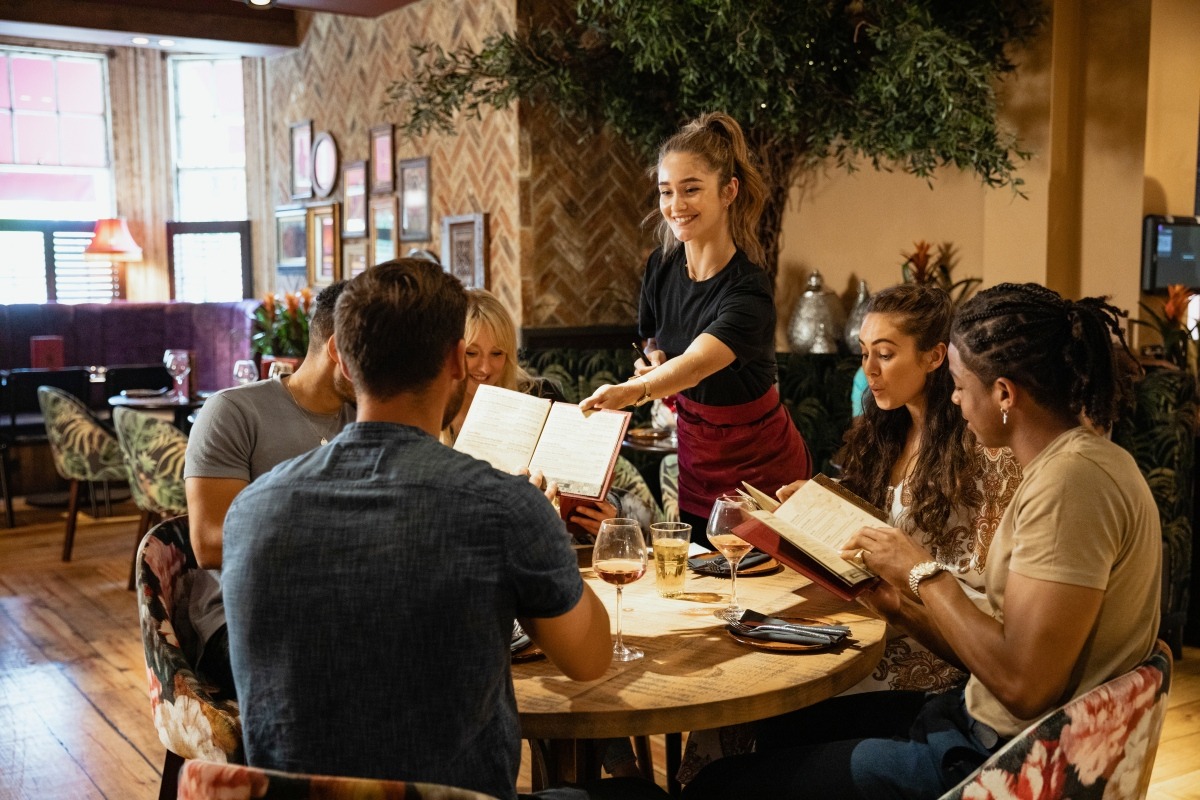
To increase loyalty at restaurants, you need to give guests three things: food and service they can count on, recognition that makes them feel known, and an easy way to redeem rewards for showing up again.
Building customer loyalty in restaurants doesn't happen by accident. It takes consistent systems, a bit of customer data, and a genuine effort to remember who's walking through your door.
A loyal customer base is the closest thing to guaranteed revenue in a highly competitive industry. Loyal customers spend more per visit, book ahead more often, and don't blink at a five-minute wait because they trust you'll take care of them.
Many restaurant owners spend all year chasing new customers. But the restaurants winning right now turn first-time visitors into regulars who keep choosing them.
Restaurant customer loyalty matters because a small slice of your guests drives a disproportionate share of your revenue. A 2026 report from Toast and Resy found that up to 50% of a restaurant's order volume can come from just 7% of its guests.
Once someone becomes a regular, their behavior changes. They plan visits ahead of time, tip more, and keep choosing you even when a new spot opens nearby.
Focusing on existing customers instead of only chasing new ones also means real cost savings. It's cheaper to keep a guest happy than to win one over from a competitor down the street. That’s why restaurant loyalty programs have become such a bigger part of the restaurant industry's playbook.
The National Restaurant Association's State of the Restaurant Industry report found that 78% of diners say they're more likely to visit a restaurant where customers earn points, even if it's less convenient. However, only 67% of restaurants currently run a loyalty scheme.
See that gap? Many restaurants still aren't set up to reward customers who come back again and again. And that's exactly where you can win.
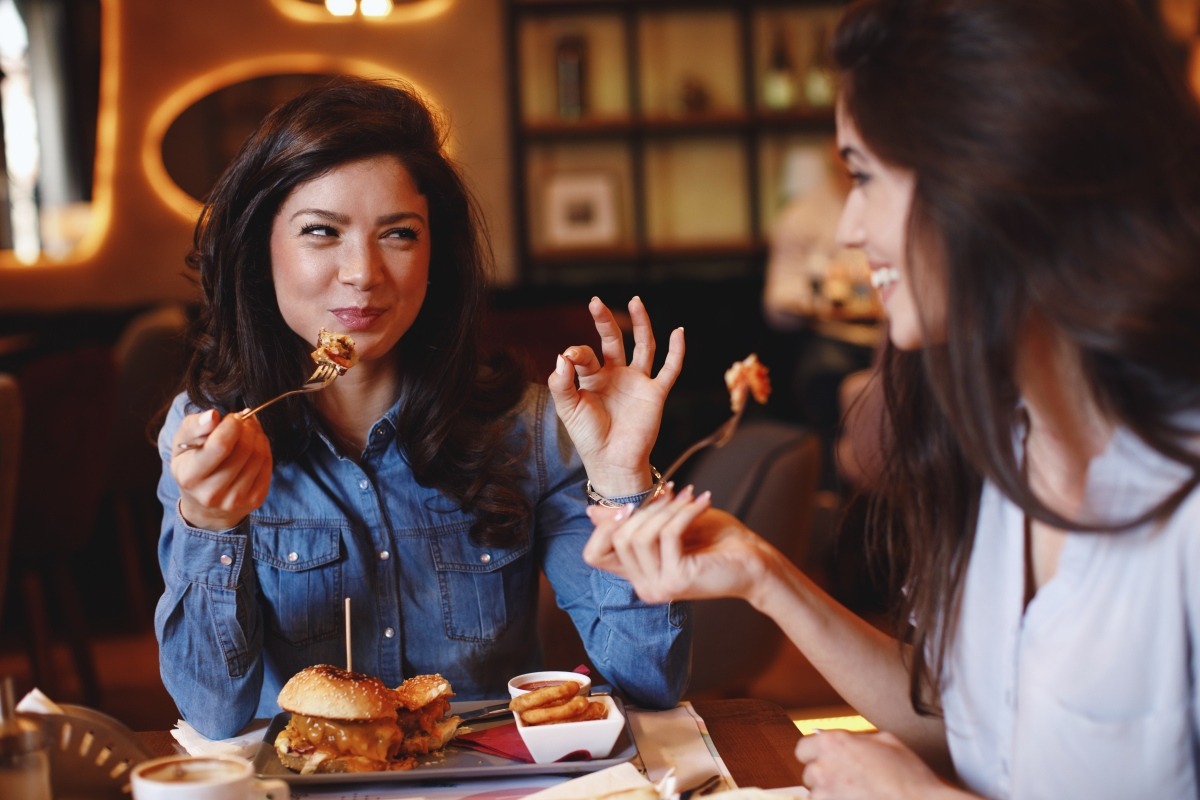
These seven strategies reinforce each other and work together to build loyalty in your restaurant. You don't need to launch all of them at once. Pick two or three that fit your restaurant, then build from there.
Consistency is the foundation of restaurant customer loyalty. Guests come back because they know what they're getting. Delicious food. Excellent customer service. Accurate answers, whether they ask a server, a host, or the phone.
When service quality changes depending on who's on shift, guests notice, and that affects trust.
Start with the basics. Standardize your most common guest questions (hours, parking, dietary options, private dining) so every team member gives the same answer.
If your host stand or phone line is the weak link, tightening up your restaurant operations from the front door to the kitchen pass is often the fastest fix.
Recognition turns a satisfied customer into a loyal one. Guests remember when a host uses their name, or a server recalls their usual order without asking. That personal touch is what makes customers feel valued instead of just served.
But it's hard to scale by memory alone once you're juggling reservations, walk-ins, and a full dining room.
This is where a bit of technology helps. A digital concierge that logs customer preferences and call history gives your team the context to recognize guests before they even say their name.
Paying attention to customer behavior, like which nights a guest always books a table, does the same thing.
A loyalty program gives guests a concrete reason to choose you over the restaurant next door.
Restaurant loyalty programs come in a few formats:
The best programs are ones that are easy. Easy to join, easy to understand, and easy to use. Complicated tiers and confusing redemption rules do more harm than good and guests just won’t end up using them.
Start small. A punch card, a "visit five times, get a free appetizer" offer, or a points system that lets guests redeem rewards for free items (like a free drink, a dessert, or early access to a new menu) all work.
You can also layer in exclusive discounts for guests who hit a certain spend threshold over time.
Reward customers in ways that feel achievable. Loyal customers tend to spend more per visit and return more often than occasional guests, so even a modest program tends to pay for itself.

Generic discounts are all well and good, but personalized ones get used more. If you know a guest orders the same menu item every time, a birthday offer built around that dish means more than a blanket "10% off" email.
You don't need an enterprise data platform to do this well. Your POS, reservation system, and phone or text history already hold most of what you need: order patterns, visit frequency, and dietary notes. Use that customer data to tailor promotions around real consumer preferences. This will help make guests feel known instead of marketed to.
Guests reach out however's easiest for them: a phone call, a text, an online ordering platform, or a walk-in. If those channels feel disconnected (different information, different tone, no memory of past visits), guests feel it as they end up having to repeat themselves.
An AI phone system that ties into your reservations and orders keeps the experience consistent no matter how a guest gets in touch. The right restaurant technology, whether that's mobile apps, texting, or a connected phone system, should feel like a natural extension of your restaurant's brand.
Customer feedback builds loyalty when guests can see it led somewhere. If a regular mentions the wait for lunch has crept up, and you adjust staffing, tell them. That closes the loop and shows guests their opinion shapes the restaurant, which builds customer satisfaction over time.
Make it easy to leave feedback in the first place: a quick text after a visit, a QR code on the receipt, or a simple ask from the server.
Respond to online reviews too, including the critical ones. A thoughtful reply shows every future guest how you handle problems.
Loyalty grows when a restaurant feels like more than a place to eat. Host special events for regulars, partner with a local business, or feature your team's personalities on social media instead of just plating shots.
Guests stick around for people and places they feel connected to, not just the great food.
A consistent social media presence matters here too. Social media engagement (responding to comments, sharing guest photos, posting regularly) builds trust faster than sporadic promotional posts.

You measure restaurant loyalty by tracking whether guests actually come back. A few numbers tell you most of what you need to know. Track the following:
If sign-ups are climbing but repeat customers aren't showing up, the program isn't doing its job yet.
Comparing spend and visit frequency among repeat visitors versus one-time guests gives you the clearest read on whether your efforts are working.
Keep an eye on your online review volume and rating trend too, since a rising number of five-star reviews from repeat names is one of the clearest loyalty signals you'll get.
Loyalty starts with the first interaction, and for most restaurants, that's a phone call. Hostie acts as your restaurant's virtual concierge, answering every call, text, and reservation request the same way, every time, so guests get consistent, accurate information whether they call at noon or midnight.
At Rodizio Grill, inconsistent phone answers from a young, turnover-prone host team used to create real guest experience problems. With Hostie in place, every caller gets the exact same accurate response, without depending on who happens to be at the host stand that night.
DACHA Projects faced a different challenge: a large share of Russian-speaking guests who needed support in their own language. Hostie's multilingual capabilities let DACHA serve every caller in the language they're most comfortable with.
Hostie is built to make your host team more effective, not to replace it. It handles the repetitive calls (hours, availability, simple bookings) so your staff can spend that time on the guests standing in front of them, which is where real loyalty gets built.
Consistent, well-handled calls drive repeat business and build the kind of brand loyalty that leads to long-term success, one guest at a time.
If you're ready to see what that looks like at your restaurant, book a demo or sign up today.
Focus on consistency first: the same quality food, service, and information every visit. Layer in guest recognition, a simple rewards program, and connected communication channels. These small, consistent wins add up over a year.
No. A formal points program helps, but it isn't required. Consistent service, genuine recognition, and responsiveness to feedback build loyalty even without a structured rewards system. A simple program just gives guests an extra, concrete reason to return.
Track repeat visit rate, average spend per visit for loyalty members versus non-members, reward redemption rate, and trends in your online reviews. Together, these show whether guests are actually returning, not just enrolling.