Restaurant reservation management explained: what it means, why it matters, and the practical steps to cut no-shows and fill more tables.
November 12, 2026
•
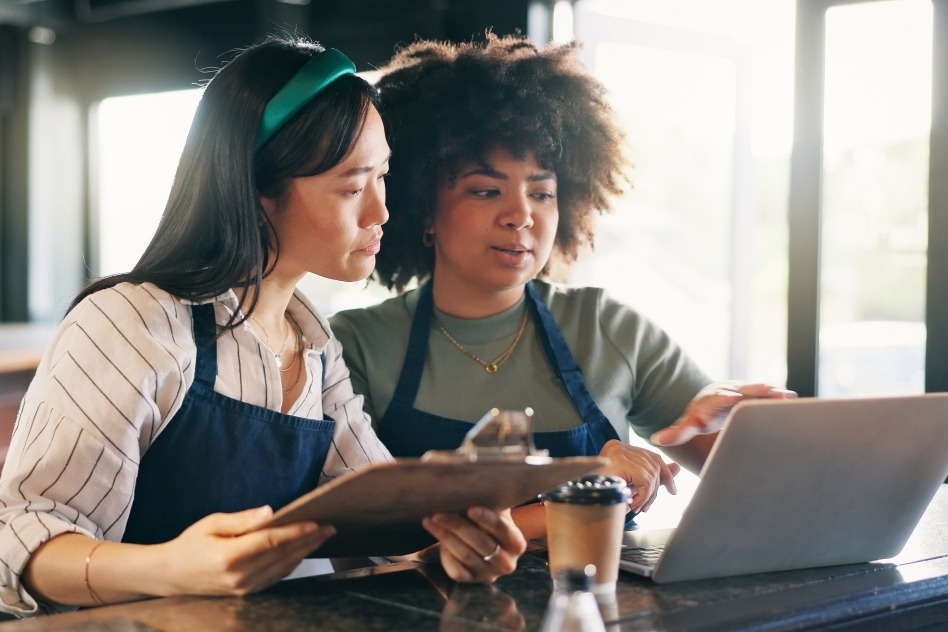
Restaurant reservation management is how you take, track, and organize table bookings so your dining room runs on schedule. It covers every channel a guest might use, from a phone call to an online booking. It also covers what happens next: confirmations, reminders, table assignments, and how your team handles last-minute changes.
Get it right, and you fill more tables, cut down on no-shows, and keep your host stand calm even on a packed Saturday.
This guide breaks down what a restaurant reservation system involves and how to streamline your reservation operations.
Restaurant reservation management is the full process behind every table booking, from the moment a guest reaches out to the moment they sit down. It includes phone calls, your website, third-party apps, and platforms.
It also includes what your team does with that information: confirming details, setting reminders, assigning tables, and tracking changes.
Restaurants that manage this well know their exact cover count for every shift before the doors even open. That visibility drives operational efficiency and keeps customer satisfaction high, instead of your team always scrambling last minute.
Good reservation management protects your revenue and your customer experience. A missed reservation is lost revenue you can't get back that night. And a confusing booking process is a guest who might not call again.
Every no-show or double-booked slot costs you real money. A tracked, organized process leads to fewer no-shows and fewer empty seats during your busiest hours.
Guests notice when a restaurant has its act together. Quick confirmations, accurate wait times, and staff who remember their name build the kind of loyalty that turns into repeat business.
When reservations run smoothly, your host isn't stuck untangling a double-booked 7pm slot during a rush. That's time they can spend actually greeting guests instead.

The best reservation system depends on your restaurant's size, budget, and how many bookings you handle in a week. A 40-seat neighborhood spot has very different needs than a multi-location group.
Look for a system that gives you real-time availability and covers these basics:
Most restaurants need to support both channels, not just one. A national survey from Toast found that 65% of diners go straight to a restaurant's website to book, ahead of third-party apps.
That said, the phone hasn't gone anywhere. Big parties, private events, and last-minute questions still tend to come in as calls. A virtual concierge can pick up every one of those calls without pulling a host off the floor.
Double-booking almost always comes down to reservations living in more than one place at once.
Keep every booking, whether it came by phone, website, or app, in a single system.
Leave a handful of tables open during peak hours for regulars and walk-ins.
Set a clear cutoff for how late you'll accept a same-day phone reservation before the kitchen gets slammed, and keep table availability accurate across every channel.
Every booking adds to your reservation data, and that data is worth using. Tracked over time, it shows customer preferences and guest preferences around seating, timing, and occasion, things you'd never spot from memory alone.
That visibility supports data-driven decisions. You'll spot your slow Tuesdays, your regulars' favorite tables, and the parties worth reaching out to directly.
Reservation history also feeds your marketing tools. A guest who books every anniversary is a natural fit for a personalized note, not just a generic newsletter blast.
Look at other restaurants with strong marketing strategies and you'll usually find they're paying close attention to their own booking data first.
The payoff is better control over your calendar and a clearer path to repeat business.

Peak-hour reservation management calls for a bit more structure than a quiet Tuesday lunch.
Let guests know upfront if their table has a time limit during your busiest hours. It's a small policy that prevents a lot of awkward waits.
Don't book every single table in advance. Keeping a few open means walk-in regulars aren't turned away, and you avoid the scramble when two parties show up at once.
A digital waitlist lets you text guests when their table's ready instead of asking them to hover by the host stand. It also gives you real data on your actual wait times.
The single most effective step is confirming the reservation, then reminding the guest again closer to their visit. A quick reminder text is an easy way to make sure your guests haven’t forgotten their booking, and it reminds them to cancel if they can no longer make it.
For larger parties, a deposit or credit card hold gives guests a reason to show up, or at least call ahead to cancel. AI reservation systems now handle most of this without extra staff time.
AI now handles a lot of the routine reservation work like answering calls, confirming details, and sending reminders. That frees staff to spend less time on the phone and more time with guests in the room.
Embracing technology here doesn't mean you need to overhaul your entire restaurant reservation system overnight. Most restaurants add it in layers, starting with simple changes.
AI phone answering that connects to your reservation software, for example, is a great place to start and you’ll notice an immediate difference. The tools worth using are those that will support your host team, not replace it.
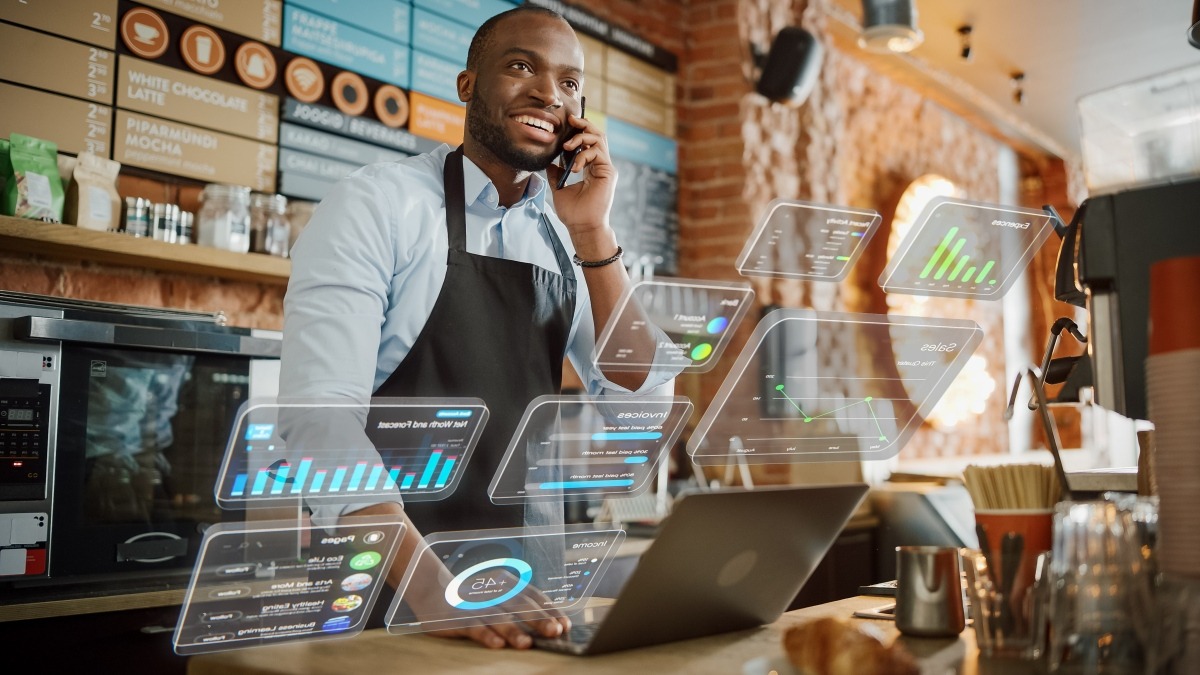
Good reservation management goes beyond tracking bookings. It simplifies the whole process, from the first phone call to the moment guests are seated, so that you can maximize revenue along the way.
Whether you're picking your first restaurant reservation system or fixing a process that's fallen apart, start with the basics: one system of record, clear staff training, and a plan for your busiest hours.
Want to see how a virtual concierge fits into your reservation process? Book a free demo with Hostie and see what it can pick up for your team.