How Restaurant Groups Scale Guest Communications Across Multiple Locations with Voice AI
Industry & Operations

Explore practical AI solutions for restaurant host/hostess teams that reduce missed calls, improve waitlist flow, and support hosts without replacing staff.
March 14, 2026
•
Restaurant Operations
.jpeg)
The conversation around automation in the restaurant industry often feels extreme. Either AI is positioned as a game changer that replaces staff, or it's dismissed as cold technology that erodes the human touch.
Most restaurant operators want something more practical.
You're facing rising costs, ongoing labor challenges, high call volumes during peak hours, and guests who expect immediate answers. You're not trying to remove the host. You're trying to protect the front-of-house while improving operational efficiency and customer satisfaction.
The right AI solutions for restaurant host teams are not about replacement. They're about enabling smoother communication and supporting personalized service without increasing labor costs.
Hosts have a lot on their plates. Your host is tracking table availability while managing bookings in the reservation system, quoting wait times to walk-ins, and juggling multiple phone calls that never stop. In between, they're catching special requests, handling large-party questions, and keeping seating paced so the kitchen doesn't get slammed.
Then the interruptions hit. A guest calls to move a 7:00 PM reservation to 7:30. Another asks if you have patio seating tonight. Someone wants to know where to park and pulls up Google Maps while they're on the phone.
At the same time, a walk-in is staring at the stand asking, "Are we close?" and your server is asking if table 12 can be turned faster.
That is the job. It is constant context switching.
When high call volumes collide with a packed entryway, the host is forced to choose. Do they seat the guests in front of them, or answer calls that might be a lost reservation? Either way, customer interactions suffer. That's why AI solutions aren't about replacing your team. Instead, they're about removing the most interruptive work so your host can deliver the human touch where it actually matters.

The strongest AI solutions for restaurants remove repetitive pressure points without touching the human center of restaurant hospitality.
Phone calls are the most common point of breakdown. Research shows that 63% of diners prefer calling restaurants, and nearly 7 in 10 say they would stop trying a restaurant if their calls go unanswered.
An AI phone answering service or virtual concierge can answer calls instantly during peak hours, handle routine calls about hours, parking, or directions, manage reservations, changes, event inquiries, and cancellations, capture special requests and large-party inquiries, and escalate cleanly when human intervention is needed.
For example, with Hostie, every call is answered immediately in your restaurant's brand voice. Guests do not press numbers or navigate rigid menus. They speak naturally, and Hostie responds naturally.
If someone wants to move a 7:30 to 8:00, Hostie handles it. If they ask about corkage or parking, Hostie gives immediate answers. If it is a large-party inquiry or something complex, Hostie gathers the details and passes them to your team with full context.
At Harborview Restaurant and Bar, Hostie handles 84% of incoming calls, which frees the front of house to focus on in-room service instead of juggling multiple calls at once. And more than 30% of Hostie customers use Hostie to fully replace their standard phone system.
Your host never has to choose between greeting the guests in front of them and answering the ringing phone ever again.
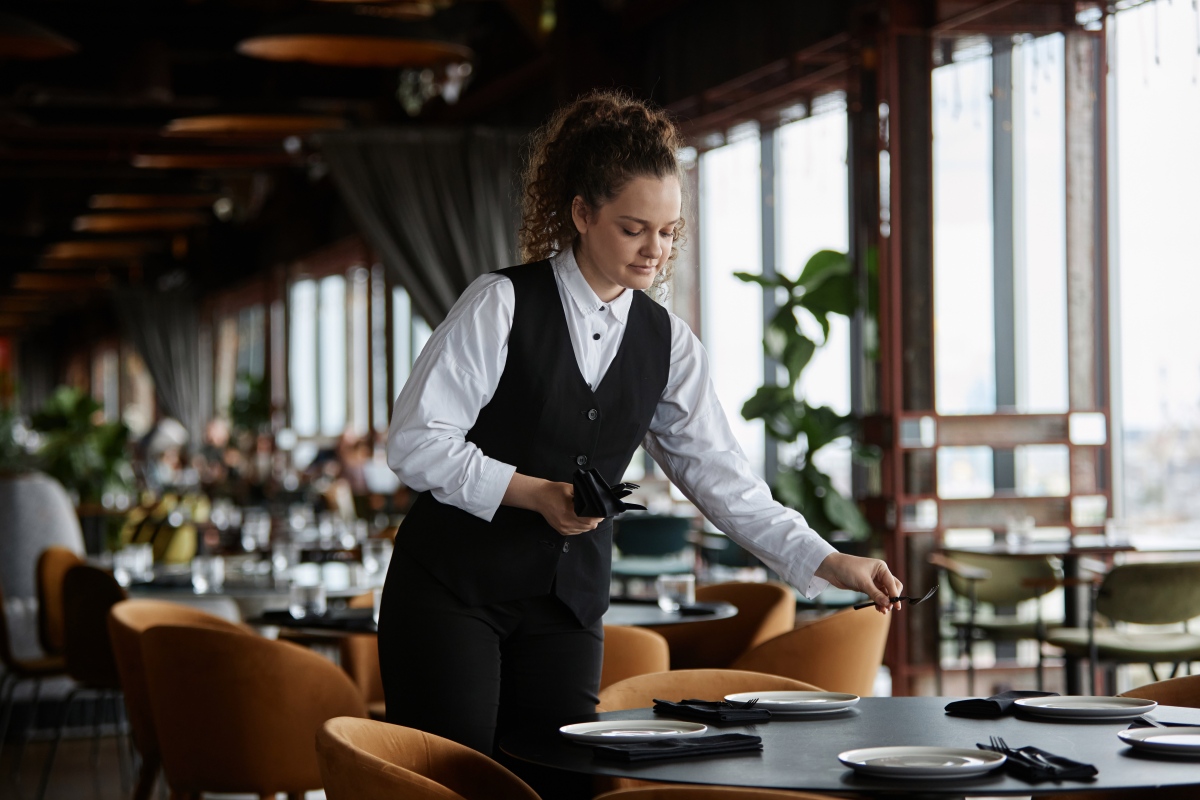
Waitlist friction usually isn't about the software itself. It's about communication gaps.
Guests are highly sensitive to wait times. OpenTable research found that 72% of diners won't wait longer than 30 minutes for a table, even at a restaurant they enjoy. Uncertainty at the host stand directly impacts guest satisfaction and retention.
With Hostie, waitlist updates go out automatically via text. Guests know when they're close instead of hovering at the stand. Reservations are confirmed before arrival, which reduces last-minute confusion.
The host still controls pacing and table availability. What disappears is the repetitive "how much longer?" cycle that clogs the front-of-house during peak hours.
Guests don't communicate in one clean lane anymore. They call. They text. They respond to confirmation messages. When those threads live in separate places, your team wastes time retracing conversations. That impacts service quality immediately.
Hostie consolidates customer interactions across phone calls, SMS, and follow-ups in one place. If someone calls about a reservation and later texts about dietary restrictions or special requests, the full context is visible.
Multilingual AI support takes this a step further, especially in markets with a diverse clientele. When guests can confirm details in the language they're most comfortable using, you reduce miscommunication or last-minute friction at the door.

AI-powered reporting does more than track call volume. It shows you what's actually driving chaos at the host stand, in a way you can act on.
Instead of vague feelings like "we always get slammed around six," you can see when peak hours trigger call spikes, which calls are reservation changes versus special requests, where missed calls cluster, and when human intervention happens most often.
If you learn that a big chunk of calls before service are reservation changes, you can tighten confirmations, add clearer messaging, or automate reminders so the host isn't constantly reworking the book mid-rush.
The point is this: AI doesn't replace hosts. It clears the repetitive noise and gives managers the data to protect your restaurant's human touch while boosting revenue by capturing every inquiry.
When evaluating AI solutions for restaurant hostess teams, keep it simple.
Look for technology built specifically for the restaurant industry. A generic contact center platform may handle customer calls, but it won't understand table pacing, reservation windows, or the nuance of special requests tied to seating flow.
Prioritize systems that allow immediate human takeover. Managers should see conversations live and step in without friction. Avoid rigid scripts — guests expect natural conversations, not robotic exchanges. Focus on reducing interruptions, not cutting headcount.
The best AI host strengthens soft skills. It protects the human touch at the front of house while handling the repetitive communication that drags down restaurant operations. That is the difference between implementing AI and responsibly transforming restaurants.
Hosts are the heartbeat of the front of house. They shape first impressions, manage table availability, handle special requests, and absorb pressure during peak hours.
The right AI systems support that role. They answer calls during rush, reduce missed calls, streamline operations, and provide visibility into real bottlenecks.
When implemented thoughtfully, AI becomes a quiet, operational layer behind the scenes that captures missed revenue and guest preferences while supporting your host stand.
Want fewer missed calls and a calmer host stand during rush? Book a demo or start a free trial with Hostie and watch your virtual concierge handle real guest conversations while your team stays focused on the floor.