How Restaurant Groups Scale Guest Communications Across Multiple Locations with Voice AI
Industry & Operations

See how restaurant automation is reshaping operations in 2026, from guest communication to labor efficiency, and how operators can streamline service.
December 22, 2025
•
Guide
Labor shortages aren’t easing, and staffing costs keep climbing. Guest expectations for faster service and instant answers haven’t slowed down either. At the same time, restaurants are managing more phone calls, more systems, and more moving parts than ever before.
Restaurant automation has become a practical response to that pressure. Not as a silver bullet or replacement for human staff, but as a way to remove the work that consistently disrupts service.
The real challenge is knowing what to automate, what to keep human, and how to bring automation into restaurant operations without creating new friction.
Restaurant automation is the use of automated systems to handle repetitive, high-volume, or interruptive tasks across restaurant operations. It lets human staff focus on service and the guest experience without being tied down by busy work.
Today, automation takes many forms. It might answer phones during peak hours, manage reservations, route orders through kitchen display systems, support inventory management, or assist with staff scheduling.
In each case, the goal of automation technology is the same: reduce human error and improve operational efficiency without removing human oversight.
Automation in restaurants works best when it takes on the work that slows teams down, not the moments that make dining memorable.
The pressure on the restaurant industry shows up every shift. The reality is that running a restaurant today is more demanding than it was even a few years ago.
That’s why restaurant automation matters so much right now. When automation handles the constant interruptions in the background, your staff can stay present, service runs smoother, and the guest experience feels personal again.
Rather than trying to automate everything at once, operators should focus on specific pressure points across restaurant operations:
During a rush, the phone is competing with everything else that matters: greeting guests at the door, managing the waitlist, and keeping tables turning.
Every unanswered call is a risk of losing revenue, but every answered call diverts attention from the dining experience right in front of your team.
This is where restaurant automation makes a big difference. AI-powered automation tools in guest communication are built to handle high call volume while still sounding like a friendly restaurant voice, not a generic system. They step in when your team can’t be everywhere at once.
These systems typically handle:
For example, Hostie’s virtual concierge handles guest communications over phone, text, and email to answer questions, book reservations, and provide updates.
At Wayfare Tavern, this meant capturing far more reservation calls during busy service without adding staff, leading to a 150% increase in over-the-phone bookings.
At Harborview Restaurant and Bar, Hostie now handles 84% of incoming calls. This gives the team breathing room during peak hours while guests still get quick, friendly responses in the restaurant’s own voice whenever they call.

Automated systems help restaurants capture reservation requests correctly, prevent double bookings, and communicate wait times clearly before guests even arrive.
Tools like Hostie support this by handling incoming calls and texts about reservations, availability, and waitlist questions. It integrates with reservation systems like OpenTable, Resy, Tock, and SevenRooms, so information stays accurate, and hosts
aren’t answering the same questions the whole time during service.
During service, automated waitlist updates and reservation communication cut down on the constant “how much longer?” check-ins and free up front-of-house staff to focus on the guests in front of them.
The result is smoother peak hours and a smoother dining experience for guests.
Ordering automation is easiest to spot in quick-service restaurants and fast-casual restaurant chains, but it plays an important role across the foodservice industry.
Online ordering, mobile payments, self-service kiosks, and kitchen display systems remove manual steps from the ordering process and reduce handoffs between front-of-house and back-of-house teams. When orders flow directly to the kitchen, fewer things get lost in translation.
This layer of automation helps:
For many restaurants, this is where automation delivers immediate cost efficiency, labor savings, and fewer mistakes during high-volume periods.

Staff scheduling usually doesn’t feel urgent until it suddenly is. Manual schedules increase the risk of overtime, burnout, and last-minute gaps that drive up operational costs and stress managers out.
Automation tools here focus on workforce management and internal operations rather than guest-facing work. These include employee scheduling platforms and shift management tools designed specifically for restaurants.
They analyze historical sales and traffic patterns to forecast staffing needs, automate schedule creation, manage shift swaps, and coordinate responsibilities across front-of-house and back-of-house teams.
By automating repetitive administrative tasks, restaurants reduce labor costs and give managers more time to focus on supporting human staff and keeping operations running smoothly. This kind of automation removes friction without replacing people.
Automation can also play a role after the meal is over. Restaurants use guest feedback platforms and customer relationship management (CRM) systems to collect reviews and track customer preferences. Automated messaging tools and loyalty and retention software support consistent post-visit follow-up with guests.
Over time, you can get a better understanding of what actually drives repeat business.
When implemented thoughtfully, this layer of automation improves engagement and loyalty by keeping follow-ups timely and relevant. Guests receive messages tied to their real experience, such as a feedback request or a return-visit offer, rather than a generic blast.
The result is more meaningful touch points and clearer insight into guest patterns, without overwhelming inboxes or making communication feel impersonal.
Inventory management is one of the least visible but most impactful areas of restaurant automation. Manual inventory tracking often leads to over-ordering, food waste, and last-minute shortages that disrupt service.
Automated inventory management systems help restaurants:
By automating inventory management, restaurants gain tighter cost control and more predictable kitchen operations.
While guests may never see this layer directly, it plays a major role in consistent food quality, menu availability, and overall cost efficiency.
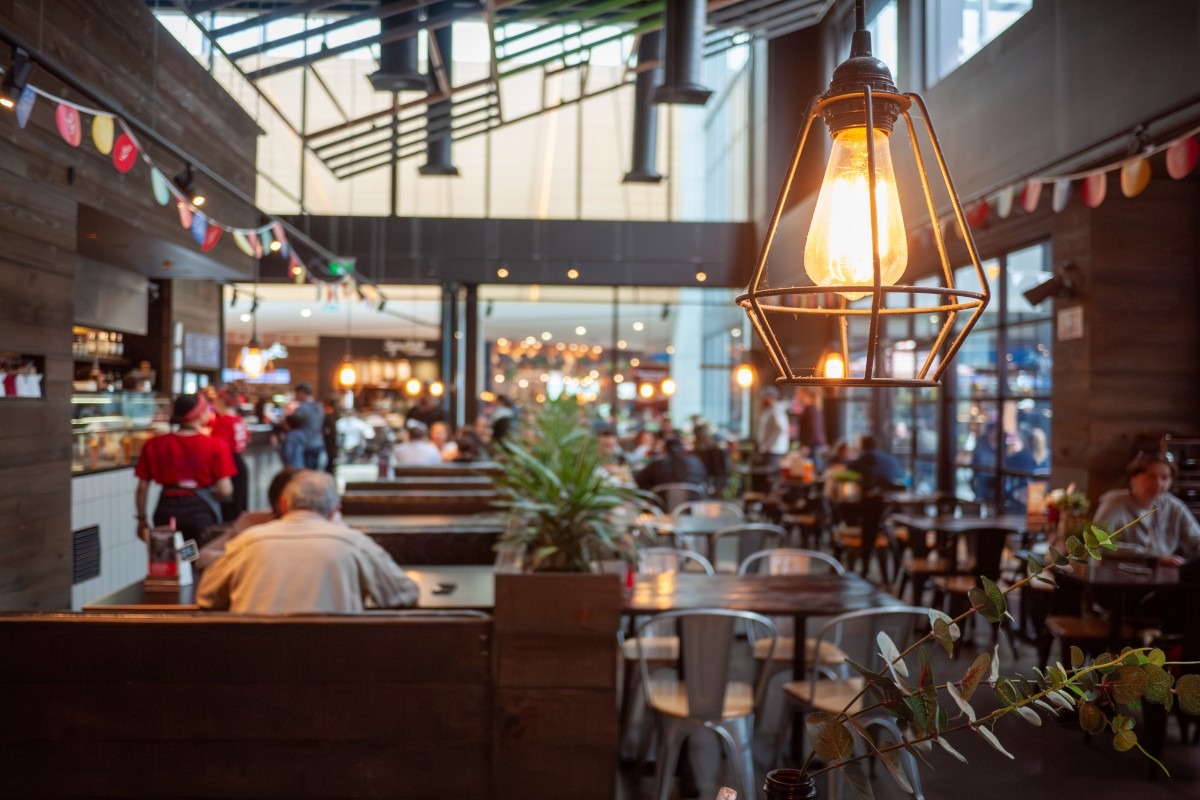
The biggest concern around restaurant automation isn’t technology. It’s hospitality and improving customer service without being robotic.
A lot of automation fails when it replaces moments that require judgment or empathy. It succeeds when it removes the work that consistently interrupts service.
To counteract the negatives and cash in on all the benefits of restaurant automation:
At the end of the day, automation should make hospitality easier, not harder. When restaurants use automation to streamline operations, it clears away the small, constant interruptions that wear teams down and drag down customer satisfaction.
The food service industry has always been about people. The right automation simply gives you the breathing room to do your best work.
When automation takes care of the repetitive, interruptive work, teams get breathing room. In return, service runs smoother, and guests get quicker, clearer responses without pulling staff away from the floor.
That’s where automation actually earns its place: in the background, quietly supporting hospitality instead of competing with it.
If guest communication and phone pressure are slowing your team down, it’s worth seeing what that support looks like in practice.
Try Hostie. Start a free trial or book a demo to see how Hostie can help your restaurant handle customer communications without losing the human touch that keeps people coming back.