
AI restaurant phone assistants typically cost $99-$499 per month compared to live answering services like AnswerConnect which range from $49-$639 plus per-minute overages. After 10% rate increases in 2025, many restaurants are switching to AI alternatives that eliminate surprise charges and deliver better call coverage at lower total costs.
• Live answering services now cost restaurants $125-$400 monthly with per-minute billing ($0.65-$1.75) creating unpredictable overages
• AI systems reduced missed calls by 87% and hold times by 91% compared to live hosts during peak hours
• Top alternatives include Hostie AI ($199/month), Slang AI, RestoHost, Newo.ai, and SoundHound with flat monthly pricing
• Migration takes under 60 minutes with modern platforms offering native POS and reservation system integration
• Restaurants lose approximately 10% of incoming calls, translating to $3,750-$5,250 in lost monthly revenue
If your monthly phone bill from AnswerConnect just jumped by double digits, you are not alone. Live answering services quietly pushed through rate hikes in 2025, and restaurant operators everywhere started typing the same three words into Google: "AnswerConnect alternatives."
This post breaks down why those prices climbed, what an AI phone system needs to deliver inside a busy dining room, and the five alternatives worth quoting today. By the end you will have a side-by-side cost comparison and a 48-hour migration checklist.
Two forces collided in 2025. First, 63% of Americans prefer calling to contact a restaurant. Second, 69% will give up on going to a restaurant if no one answers the phone. Miss a call and you may never see that guest again.
Meanwhile, live answering providers like 247 Answering announced that most plans increased around 10% after four years of holding prices flat. Add rising labor costs on your end and you have a recipe for squeezed margins.
The data backs up the pain. A study of over 500,000 restaurant calls found that AI systems cut missed calls by 87% and hold times by 91% compared with live hosts during peak hours. Those numbers explain why so many operators are searching for smarter, cheaper phone coverage.

The sticker price on a live answering plan rarely tells the whole story. Here is what you should budget for.
| Cost Component | Typical Range |
|---|---|
| Base monthly plan | $49-$639 |
| Per-minute overages | $0.65-$1.75 |
| Billing cycle | Often 28 days, not calendar months |
| After-call work | Billed by whole minute, rounded up |
| Plan changes | Allowed anytime, but you pay the difference immediately |
On average, answering services cost between $0.65 and $1.75 per minute, with most small-to-medium restaurants spending $125-$400 per month. Once call volume spikes during a holiday weekend, overages can push that figure past $500.
At a provider like Answering Innovations, the Essentials tier starts at $49 with zero included minutes and a $1.35 per-minute overage. The Platinum plan offers 250 minutes for $329, plus $1.28 per overage minute. Do the math on a busy Saturday night and those charges add up fast.
Key takeaway: Per-minute billing, surprise overages, and 28-day cycles mean the invoice you receive may not match the price you were quoted.
Before you price-shop, know what a modern restaurant phone system should actually do.
If a vendor cannot check every box, keep looking.
AI restaurant phone assistants in 2025 typically range from $99-$499 per month depending on features and call volume. Below are five credible options alongside AnswerConnect.
| Platform | Best For | Starting Price | Notable Feature |
|---|---|---|---|
| Hostie AI | Independents & fine dining | $199/mo | Toast + OpenTable in under 60 min |
| Slang AI | High-volume urban spots | Varies | Claims up to 50% more phone covers |
| RestoHost | Atlanta metro restaurants | Varies | 150 local restaurants on platform |
| Newo.ai | Multi-location groups | Varies | Up to $18k/mo added revenue per site |
| SoundHound | Quick-serve chains | Custom | Scalable voice AI for drive-thru |
Hostie's Essential plan starts at $199 per month per location. The platform handles calls, texts, and emails while syncing reservations and takeout orders with your existing stack.
Partner restaurants like Flour + Water and Slanted Door report that the platform now handles over 80% of guest communications automatically. At Teakwood, part of Burma Food Group, over-the-phone bookings have nearly tripled since launch.
ROI can be dramatic. One case study showed a net monthly gain of $1,768 on a $199 plan, translating to a payback period of just 0.5 months. Another integration guide cites ROI of 3,144%-5,005% when factoring in labor savings and recovered revenue.
Slang pivoted to focus exclusively on restaurants during the pandemic and announced a $20 million funding round in 2023. The company is gaining ground in the New York and Las Vegas markets.
Slang claims to drive up to 50% more phone covers and deliver at least 10x ROI. Setup can happen in as little as 30 minutes, making it one of the quickest solutions to deploy.
The trade-off: Slang optimizes for speed and revenue, which may mean fewer customization options compared with platforms that offer unlimited prompts and real-time conversation monitoring.
RestoHost is now answering calls at 150 restaurants in the Atlanta metro area. The platform focuses on regional relationships and personalized onboarding.
As the CEO of Slang noted, "Restaurants get a high volume of phone calls compared to other businesses, especially if they're popular and take reservations." In-demand spots receive between 800 and 1,000 calls per month. RestoHost aims to capture that volume for Southern operators who prefer a local partner.
Answering services generally capture 85-95% of calls that would otherwise go to voicemail. A regional AI host can hit similar numbers at a fraction of the per-minute cost.
David Yang, founder of Newo.ai, puts it bluntly: "At $17 per hour, you can hardly pay for your gas to get to the job. Humans typically don't stay long in these positions."
Newo targets restaurant groups that need scale. Yang reports that "AI hosts are generating an additional revenue of $3,000 to $18,000 per month per location, up to 25 times the cost of the AI host itself."
Gartner projects that by 2026, conversational AI will reduce contact-center labor costs by $80 billion. For multi-unit operators, Newo offers a preview of those savings today.
SoundHound offers AI voice solutions with quoted pricing that varies significantly based on implementation complexity and call volume. The platform is best known for drive-thru and quick-service environments where speed matters most.
AI restaurant phone assistants typically range from $99-$499 per month. SoundHound often lands on the higher end for enterprise deployments but can deliver strong ROI for chains processing thousands of orders daily.
24/7 coverage can increase lead generation by 30-40% through after-hours inquiry capture. For a quick-serve brand with late-night hours, that boost translates directly to ticket count.
Numbers speak louder than promises. Here is a simplified monthly comparison for a 50-seat restaurant averaging 600 calls per month.
| Solution | Monthly Cost | Missed-Call Rate | Est. Lost Revenue |
|---|---|---|---|
| Live answering (250-min plan + overages) | ~$400-$550 | 10-15% | $3,750-$5,250 |
| Hostie AI Essential | $199 + ~$80 telecom | ~2% | ~$500 |
| SoundHound (mid-tier) | $300-$450 | ~3% | ~$750 |
Restaurants lose approximately 10% of incoming calls, which equals about 150 unanswered calls monthly. With an average order value of $25-$35, that translates to $3,750-$5,250 in lost revenue per month per location.
A study of half a million calls found that AI systems deliver a 91% drop in hold time and 87% reduction in missed calls. Even a conservative estimate shows AI hosts paying for themselves within the first billing cycle.
Key takeaway: The cheapest answering service is not the one with the lowest base price; it is the one that captures the most revenue.
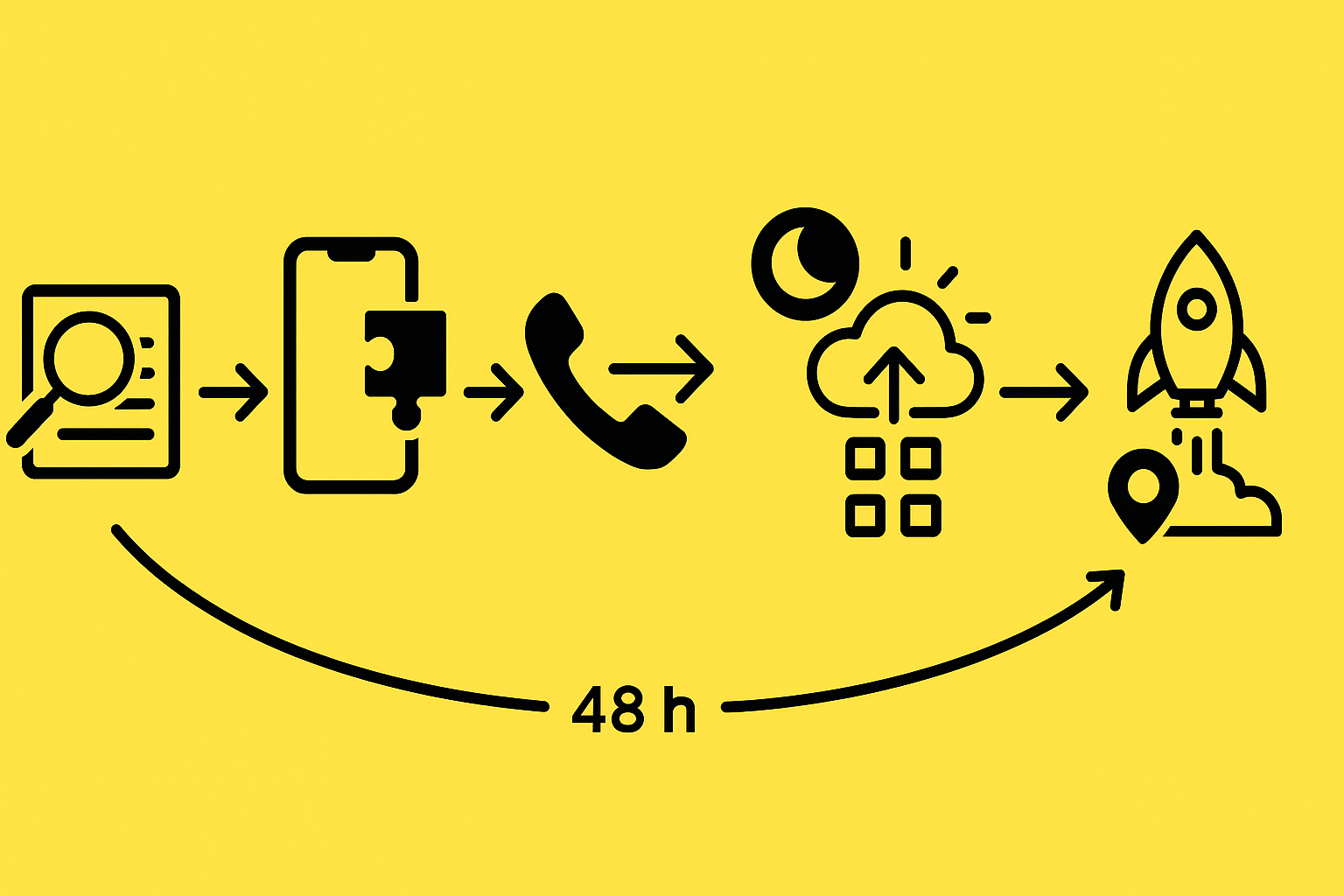
Migrating sounds scary. It does not have to be. Follow this checklist and you can be live before the weekend rush.
Gartner research reminds us that "the human touch remains irreplaceable in many interactions." Keep a human escalation path for VIP guests and complex issues.
Live answering services served restaurants well for years, but 2025 pricing and billing quirks have pushed many operators to explore AI alternatives. The math is hard to ignore: fewer missed calls, lower monthly spend, and integrations that let your team focus on the floor instead of the phone.
As Randall Hom, co-founder and CEO of Hostie, explains: "As a restaurant owner myself, I know how difficult it can be to balance being on the floor during peak service hours while managing inbound calls, texts and emails from potential guests."
If you are ready to see what an AI host can do for your restaurant, Hostie AI offers a straightforward demo and a $199-per-month starting point that includes Toast and OpenTable integration out of the box.
💡 Ready to see Hostie in action?
Don't miss another reservation or guest call.
👉 Book a demo with Hostie today
Restaurants are seeking alternatives to AnswerConnect due to recent price hikes in live answering services, which have increased by around 10% in 2025. Rising labor costs and the need for efficient call handling have also driven the search for more cost-effective solutions.
Live answering services typically include a base monthly plan ranging from $49 to $639, per-minute overages between $0.65 and $1.75, and billing cycles often set at 28 days. Additional costs may arise from after-call work and immediate charges for plan changes.
A modern AI phone system should provide 24/7 coverage, natural multilingual conversations, integration with POS and reservation systems, upsell capabilities, and a human escalation path to ensure seamless guest experiences.
Hostie AI offers a starting price of $199 per month, with features like integration with Toast and OpenTable, handling over 80% of guest communications automatically, and providing a significant ROI. It is designed specifically for the hospitality industry.
Switching involves auditing current call volume, choosing a platform with native integrations, porting your number or setting up call forwarding, uploading FAQs and menu details, testing with a soft launch, and monitoring the system once live. Hostie AI can integrate with systems like OpenTable and Toast in under 60 minutes.
RELATED