
If you've called a restaurant in New York City, Miami, Atlanta, or San Francisco recently, chances are you've spoken to an AI voice assistant rather than a human host. (Hostie AI) The restaurant industry is experiencing a technological revolution, with AI-powered phone systems becoming the new standard for handling customer communications. (2025 Best AI Phone Answering Systems)
Restaurant owners frequently ask about "24/7 online assistant cost per month," and for good reason. With in-demand establishments receiving between 800 and 1,000 calls per month, the economics of phone management have become critical to operational success. (Hostie AI) Traditional human hosts cost $17 per hour, making it difficult to maintain consistent phone coverage without breaking the budget. (Hostie AI)
This comprehensive pricing guide examines the real costs of 24/7 AI phone assistants, including public pricing from major players, hidden telecom fees, and total cost of ownership calculations. We'll help you determine break-even call volumes and budget accurately for your restaurant's phone solution.
The restaurant industry has witnessed explosive growth in AI voice technology. According to Popmenu's 2024 study of 362 U.S. restaurant operators, 79% have implemented or are considering AI for various operations including taking orders, preparing food, business operations, and marketing. (Popmenu AI in Restaurants Report)
AI voice assistants like Jasmine from Hostie AI represent a new, growing category of restaurant technology. (Hostie AI) These systems offer around-the-clock AI phone hosts that can answer generic questions about dress codes, cuisine, seating arrangements, and food allergy policies. (Hostie AI)
The technology has seen "unbelievable, crazy growth" according to industry experts, with companies like one-year-old RestoHost now answering calls at 150 restaurants in the Atlanta metro area alone. (Hostie AI) However, only about 10 percent of calls actually result in reservations, highlighting the importance of efficient call handling. (Hostie AI)
Hostie AI has emerged as a leading platform, particularly in the Bay Area where it launched in 2024. (Hostie AI) The platform uses natural, conversational language and personalizes responses based on intent, allowing it to navigate complex requests more effectively than template-based competitors. (Hostie AI vs Slang)
While specific pricing tiers aren't publicly disclosed, Hostie AI's ROI calculator suggests multiple pricing levels based on call volume and feature requirements. The platform integrates seamlessly with existing reservation and POS systems, with integration processes that can be completed in under 60 minutes. (Hostie AI OpenTable Square Integration)
SoundHound offers AI voice solutions for restaurants with quoted pricing ranges that vary significantly based on implementation complexity and call volume. Their enterprise focus means pricing typically starts higher than smaller competitors but includes more comprehensive support and customization options.
Slang, a voice AI company that pivoted to focus exclusively on restaurants during the Covid-19 pandemic, announced a $20 million funding round in 2023. (Hostie AI) However, their platform often relies on rigid templates and a limited set of prompts, which can create a less natural customer experience compared to more conversational platforms. (Hostie AI vs Slang)
Some providers offer flat fee models that can be attractive for restaurants with predictable call volumes. These models eliminate per-minute charges but may include limitations on total monthly minutes or advanced features.
When calculating the true cost of a 24/7 AI assistant, restaurant owners must consider several hidden expenses:
Modern AI phone systems require integration with existing restaurant technology stacks. Fortunately, platforms like Hostie AI have streamlined this process significantly. The integration with OpenTable reservations and Square POS systems can be completed in under 60 minutes, contrary to assumptions that it requires weeks of technical work and expensive consultants. (Hostie AI OpenTable Square Integration)
For restaurants using Toast POS, zero-touch reservations are now possible through integration with OpenTable's Connect API and Toast's Voice Ordering beta, released in June 2025. (2025 Hostie AI OpenTable Toast Integration) This allows calls to flow directly from the AI system to the restaurant's POS and kitchen display systems without human intervention. (Zero-Touch Reservations)
The economics of human phone coverage are challenging for most restaurants:
For 24/7 coverage, restaurants would need approximately 4.2 full-time equivalent employees, resulting in monthly costs of $12,000-15,000 before considering turnover and training expenses.
Analysis of over 500,000 restaurant calls between Q4 2024 and Q2 2025 revealed significant performance improvements when AI handles phone communications. (Peak-Hour Accuracy Showdown) The results showed a 91% drop in hold time and an 87% reduction in missed calls when AI systems manage phone operations. (Peak-Hour Accuracy Showdown)
This performance improvement is particularly crucial given that over two-thirds of Americans are willing to abandon restaurants that don't answer the phone. (Missed Connection)
To calculate when an AI phone system becomes cost-effective, consider these factors:
Monthly Call Volume Scenarios:
| Restaurant Type | Monthly Calls | Peak Hours Coverage Need | Break-Even Point |
|---|---|---|---|
| Fast Casual | 400-600 | 8 hours/day | $200-400/month |
| Full Service | 800-1,000 | 12 hours/day | $400-600/month |
| High-End Dining | 1,200+ | 16 hours/day | $600-800/month |
Traditional Cost Formula:
AI System Cost Formula:
Example Calculation:
A restaurant receiving 800 calls per month, averaging 3 minutes each:
Most AI phone systems offer similar baseline features:
Hostie AI Advanced Capabilities:
Enterprise Features:
Modern AI phone systems have dramatically reduced implementation time. Hostie AI's streamlined integration process demonstrates how restaurants can be operational within an hour rather than weeks. (Hostie AI OpenTable Square Integration)
Typical Implementation Steps:
Unlike human staff, AI systems require minimal ongoing maintenance:
The rapid growth in AI restaurant technology is driving competitive pricing. With 45% of restaurant operators expecting more intense competition than the previous year, and 98% citing higher labor costs as a major challenge, AI phone systems are becoming essential rather than optional. (2025 Cost Showdown)
As AI technology improves, the cost-per-capability ratio continues to decrease. Features that required expensive custom development just two years ago are now standard offerings. The integration of smart speakers and AI-based devices in service contexts is becoming increasingly sophisticated, improving customer experience while reducing operational costs. (Smart Speakers Customer Experience)
2025 Trends:
Before selecting an AI phone system, evaluate these key factors:
Call Volume Analysis:
Feature Requirements:
Budget Considerations:
When comparing AI phone systems, prioritize:
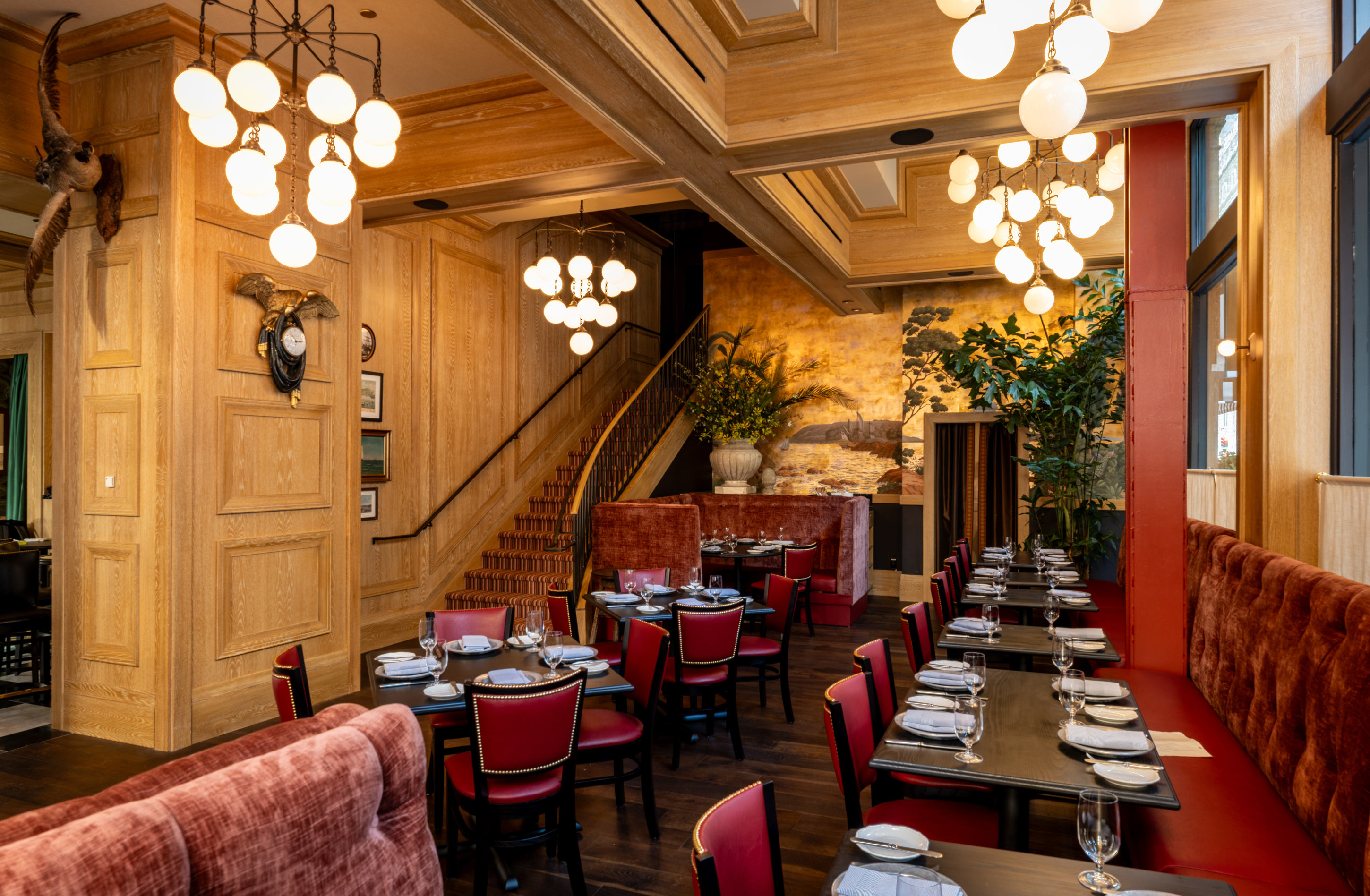
Bodega, a high-end Vietnamese restaurant, implemented Hostie AI to manage their call volume. (Hostie AI) The restaurant previously struggled with phones ringing constantly throughout service, receiving calls for basic questions that could be found on their website. (Hostie AI)
Results:
RestoHost's expansion to 150 restaurants in the Atlanta metro area demonstrates the scalability of AI phone systems. (Hostie AI) This growth pattern suggests that successful implementations often lead to rapid expansion across restaurant groups.
The economics of 24/7 AI phone assistants strongly favor adoption for most restaurants. With human hosts costing $17 per hour and requiring multiple employees for full coverage, the monthly expense can easily reach $12,000-15,000. (Hostie AI) In contrast, AI systems typically cost $400-800 per month including all fees, delivering ROI of 1,000% or more.
The performance advantages are equally compelling. Analysis of over 500,000 restaurant calls shows AI systems reduce hold times by 91% and missed calls by 87%. (Peak-Hour Accuracy Showdown) Given that over two-thirds of Americans will abandon restaurants that don't answer the phone, this performance improvement directly impacts revenue. (Missed Connection)
For restaurants receiving 800-1,000 calls per month, the break-even point occurs almost immediately. (Hostie AI) Even smaller establishments with 400-600 monthly calls typically see positive ROI within the first month.
The key to success lies in choosing a platform that offers natural conversation capabilities rather than rigid templates. (Hostie AI vs Slang) Quick integration with existing POS and reservation systems is also crucial, with modern platforms enabling setup in under 60 minutes. (Hostie AI OpenTable Square Integration)
As the restaurant industry continues to face labor challenges and increasing competition, AI phone systems have evolved from luxury to necessity. The question is no longer whether to implement an AI assistant, but which platform will deliver the best value for your specific needs and budget.
💡 Ready to see Hostie in action?
Don't miss another reservation or guest call.
👉 Book a demo with Hostie today
AI restaurant phone assistants in 2025 typically range from $99-$499 per month depending on features and call volume. This is significantly more cost-effective than hiring human hosts at $17 per hour, especially for restaurants receiving 800-1,000 calls monthly. Most systems offer tiered pricing based on call volume and integration complexity.
Hostie AI offers competitive pricing with native Toast POS integration and zero-touch reservation capabilities. When you call a restaurant using Hostie AI, you experience 91% shorter hold times and 87% fewer missed calls compared to traditional systems. The cost-per-order is typically lower than live answering services due to higher conversion rates and 24/7 availability.
Restaurants typically see positive ROI within 3-6 months of implementing AI phone assistants. With 98% of operators citing higher labor costs as a major challenge, AI systems reduce staffing needs while capturing more orders. Independent restaurants can save thousands monthly on labor costs while improving customer experience and order accuracy.
Yes, leading AI phone systems offer native integrations with major POS platforms like Toast, Square, and OpenTable. Hostie AI can be integrated with OpenTable and Toast POS in under 60 minutes, enabling zero-touch reservations that flow directly to kitchen display systems without human intervention. This streamlines operations and reduces manual errors.
Pricing factors include monthly call volume, POS integration complexity, reservation system connections, and advanced features like multilingual support. Restaurants with higher call volumes may qualify for volume discounts, while those requiring custom integrations or specialized industry features may pay premium rates. Setup fees and training costs should also be considered.
Yes, especially for restaurants receiving 800+ calls monthly. With 79% of restaurant operators implementing or considering AI according to Popmenu's 2024 study, AI phone assistants help bridge the labor gap while ensuring no calls go unanswered. The technology pays for itself through increased order capture and reduced labor costs, making it accessible even for smaller establishments.
RELATED