An AI host with real-time translation is a voice assistant that detects callers' languages and responds fluently within 1-3 seconds in over 20 languages. These systems combine speech recognition, neural machine translation, and voice synthesis to enable seamless multilingual phone conversations. Restaurants using this technology report 56% increases in phone bookings and 87% fewer missed calls, capturing revenue from international guests previously lost to language barriers.
• Real-time translation systems convert speech across languages with 1-2 seconds of latency, enabling natural conversations
• 69% of Americans abandon restaurants when calls go unanswered—language barriers compound this issue
• AI hosts generate $3,000-$18,000 additional monthly revenue per location through captured bookings and upsells
• Implementation takes under 60 minutes with existing reservation systems like OpenTable and Toast
• Multilingual capabilities address staffing challenges amid 93% annual turnover rates in restaurants
• 81% of calls are resolved automatically, freeing staff for in-person guest interactions
Picture this: The phone rings at your restaurant during a packed Friday service. A guest starts speaking Spanish, and your host freezes. In the old days, that call might end in a polite apology and a lost reservation. But today, an AI host with real-time translation steps in, responds fluently in Spanish, and books a table for four before the guest even finishes their sentence.
An AI host with real-time translation is a voice assistant that answers your restaurant's phone, detects the caller's language on the fly, and replies within roughly one to three seconds in any of 20+ languages. This technology is changing how restaurants connect with guests from around the world, and the ROI is hard to ignore. In this article, we'll explore how it works, what it costs, and why operators across the country are making the switch.
At its core, a multilingual AI phone system combines three technologies: speech recognition, neural machine translation, and AI voice synthesis. When a guest calls, the system listens, converts their words to text, translates that text into the restaurant's primary language (or vice versa), and then speaks the response back in the caller's language.
Real-time speech translation instantly converts spoken words into multiple languages during live conversations, breaking down language barriers as they happen. For restaurants, this means a guest calling in Mandarin, French, or Portuguese hears a natural, friendly voice responding in their own tongue.
The world is becoming increasingly interconnected, with guests crossing borders more frequently than ever before. As the BBC notes, live translation features are "a boon for travellers," and the same applies to anyone hoping to book a table at your restaurant.
Conversational AI is emerging as a powerful solution to bridge the gap between languages and cultures, allowing restaurants to cater to international guests without scrambling for bilingual staff.
Language barriers aren't just awkward moments on the phone. They're revenue killers.
Hospitality is a rapidly growing industry, adding 22 million new jobs globally in 2022. But that growth brings guests who speak dozens of different languages, and not every restaurant is equipped to serve them.
Consider this: 69% of Americans say they'll give up on a restaurant entirely if no one answers the phone. Now imagine what happens when someone does answer, but can't understand the caller. That's a lost cover and, potentially, a negative review.
Hiring bilingual staff sounds like a solution, but it's not scalable. The numbers tell the story:
As one founder put it, "At $17 per hour, you can hardly pay for your gas to get to the job. Humans typically don't stay long in these positions." (WIRED)
Key takeaway: Bilingual staffing can't keep pace with turnover, labor costs, or the sheer volume of calls most restaurants receive.
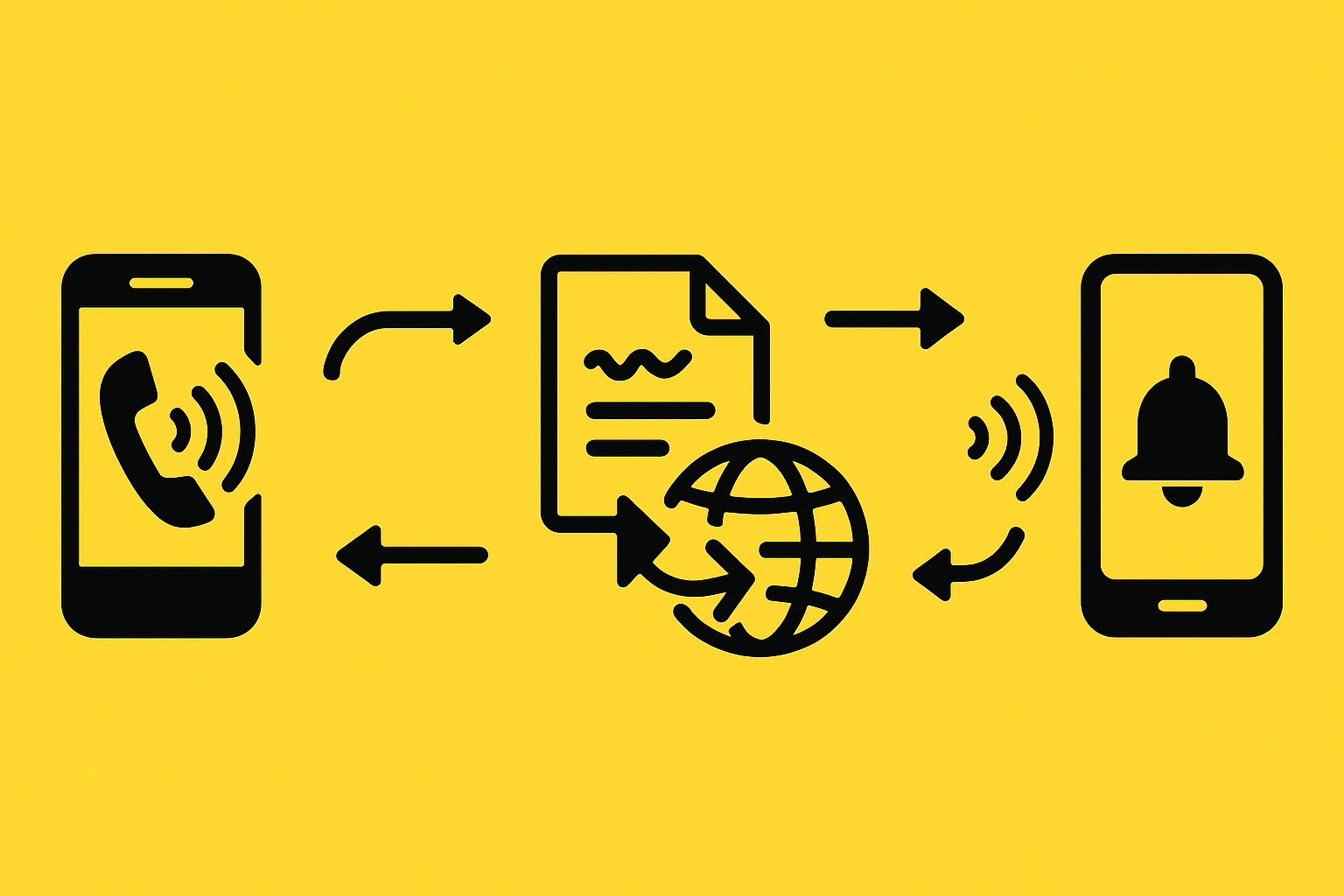
Let's break down the technology in plain language. A restaurant voice AI system handles three jobs in sequence:
All three steps happen in the background, so the caller simply hears a friendly voice responding in their language.
Latency matters more than you might think. When a guest calls to book a table, every second of awkward silence chips away at their confidence.
When latency creeps up, guests notice. But when responses come quickly, the conversation feels natural, and upsell opportunities open up.
So, what's the payoff? Let's look at the numbers.
24/7 reservation management means no more missed calls at 2 a.m. or during the dinner rush. Guest experience automation frees your team to focus on the people standing right in front of them.
The revenue gains come from two places: capturing calls that would otherwise go unanswered, and upselling during every interaction.
As Michelle Mah, Director of Operations at The Slanted Door Group, puts it:
"Thanks to Hostie, we've been able to spend more time connecting with our guests. That personal touch has translated into stronger online reviews—many mention how warm and attentive our team is. I believe it's because guests feel taken care of. There's someone right in front of them, fully present and engaged." — Hostie AI
If you're shopping for a multilingual AI phone system, you'll come across several names. Here's how they stack up.
| Feature | Hostie AI | Slang AI | Maple Voice |
|---|---|---|---|
| Languages Supported | 20+ | Limited | English only |
| Customization | Unlimited prompts | Template-based | Limited |
| Dashboard Depth | Full visibility, real-time | Basic | Limited |
| Integration | OpenTable, Toast, Yelp | OpenTable | POS-focused |
Hostie AI offers unmatched flexibility with unlimited prompts and the ability to tailor every interaction. Slang's platform can handle some complex workflows, but the experience often relies on rigid templates.
Maple's English-only support limits its applicability for restaurants in diverse markets where multilingual capabilities are essential for inclusive guest experiences. Each platform offers subscription tiers that unlock additional features, and some systems can speak multiple languages.
For operators who want to know exactly what's happening on every call, dashboard depth matters.
If you want to see transcripts, monitor sentiment, and adjust prompts on the fly, Hostie AI gives you that control.

Ready to get started? Here's a practical rollout checklist for any restaurant operator.
| Step | Action | Time |
|---|---|---|
| 1 | Sign up and connect your reservation system (OpenTable, Yelp Waitlist, etc.) | 15 min |
| 2 | Customize your AI host's voice, language preferences, and greeting | 20 min |
| 3 | Integrate with your POS (Toast, Square, etc.) | 15 min |
| 4 | Test a few calls, review transcripts, and go live | 10 min |
The complete integration process can be completed in under 60 minutes. Data from over 500,000 calls shows a 91% drop in hold time and 87% reduction in missed calls when AI handles the phone. And AI assistants achieved a 23.7% upsell success rate compared to 18.9% for human hosts during peak hours.
Wondering about costs? Here's what to expect.
With potential revenue gains of $3,000 to $18,000 per month, the ROI is clear for most operators.
AI hosts with real-time translation aren't a glimpse of the future. They're already answering phones at restaurants across the country, handling everything from simple reservation changes to complex private event inquiries.
Hostie helps automate the full spectrum of restaurant guest communications. And by managing routine tasks, AI hosts complement human staff, allowing your team to focus on high-touch interactions where hospitality matters most.
If you're ready to welcome guests in any language, 24/7, without adding headcount, it might be time to see what an AI host can do for your restaurant.
💡 Ready to see Hostie in action?
Don't miss another reservation or guest call.
👉 Book a demo with Hostie today
An AI host with real-time translation is a voice assistant that answers calls, detects the caller's language, and responds in one of 20+ languages within seconds, enhancing communication and guest experience in restaurants.
Real-time voice translation in restaurants involves speech recognition, neural machine translation, and AI voice synthesis to convert spoken words into text, translate them, and respond in the caller's language, all within a few seconds.
AI hosts reduce language barriers, increase reservation bookings, and improve guest satisfaction by providing quick, multilingual responses. They also help manage high call volumes and reduce labor costs associated with hiring bilingual staff.
Hostie AI supports over 20 languages, offers unlimited customization, and provides comprehensive dashboard visibility, making it more flexible and suitable for diverse restaurant markets compared to competitors like Slang AI and Maple Voice.
Implementing an AI host can generate additional revenue of $3,000 to $18,000 per month per location, significantly outweighing the monthly costs of $200 to $800, depending on features and call volume.
RELATED