
AI phone systems for restaurants like Hostie, Numa, and PolyAI automate call handling to reduce missed reservations and labor costs. Hostie offers native OpenTable integration in under 60 minutes with multilingual support, while Numa lacks reservation platform connections and PolyAI requires 6+ weeks for enterprise deployment at custom pricing starting from $149-$399/month.
• Hostie AI integrates directly with OpenTable and Square POS, achieving 22-second call-to-booking times and supporting 20 languages
• Numa costs $149/month but lacks OpenTable integration, limiting its effectiveness for reservation-dependent restaurants
• PolyAI delivers enterprise-grade automation for chains with 50+ locations but requires 6+ weeks implementation time
• All three platforms achieve 80% or higher call automation rates, significantly reducing staff phone burden
• ROI typically occurs within 3-6 months for restaurants receiving over 200 monthly calls
• Setup complexity ranges from Numa's 10-minute process to PolyAI's multi-week enterprise deployment
Rising call volumes, labor shortages, and diner impatience in 2025 push operators to search for AI phone systems for restaurants that work like a seasoned host—without the payroll cost. If you've ever watched your team juggle ringing phones while guests wait at the door, you know exactly why this technology matters.
This guide breaks down three leading options—Hostie AI, Numa, and PolyAI—so you can find the right fit for your restaurant.
The numbers tell the story. In-demand establishments receive between 800 and 1,000 calls per month, and most of those ring during the busiest service hours. Meanwhile, restaurants reported a 34% average increase in labor costs in 2023, making it harder than ever to staff a dedicated phone host.
The result? Data from over 500,000 restaurant calls shows a 91% drop in hold time and an 87% reduction in missed calls when AI handles the phone. That's revenue walking back through the door instead of hanging up.
For operators caught between rising costs and rising guest expectations, AI phone automation has shifted from a novelty to a necessity.
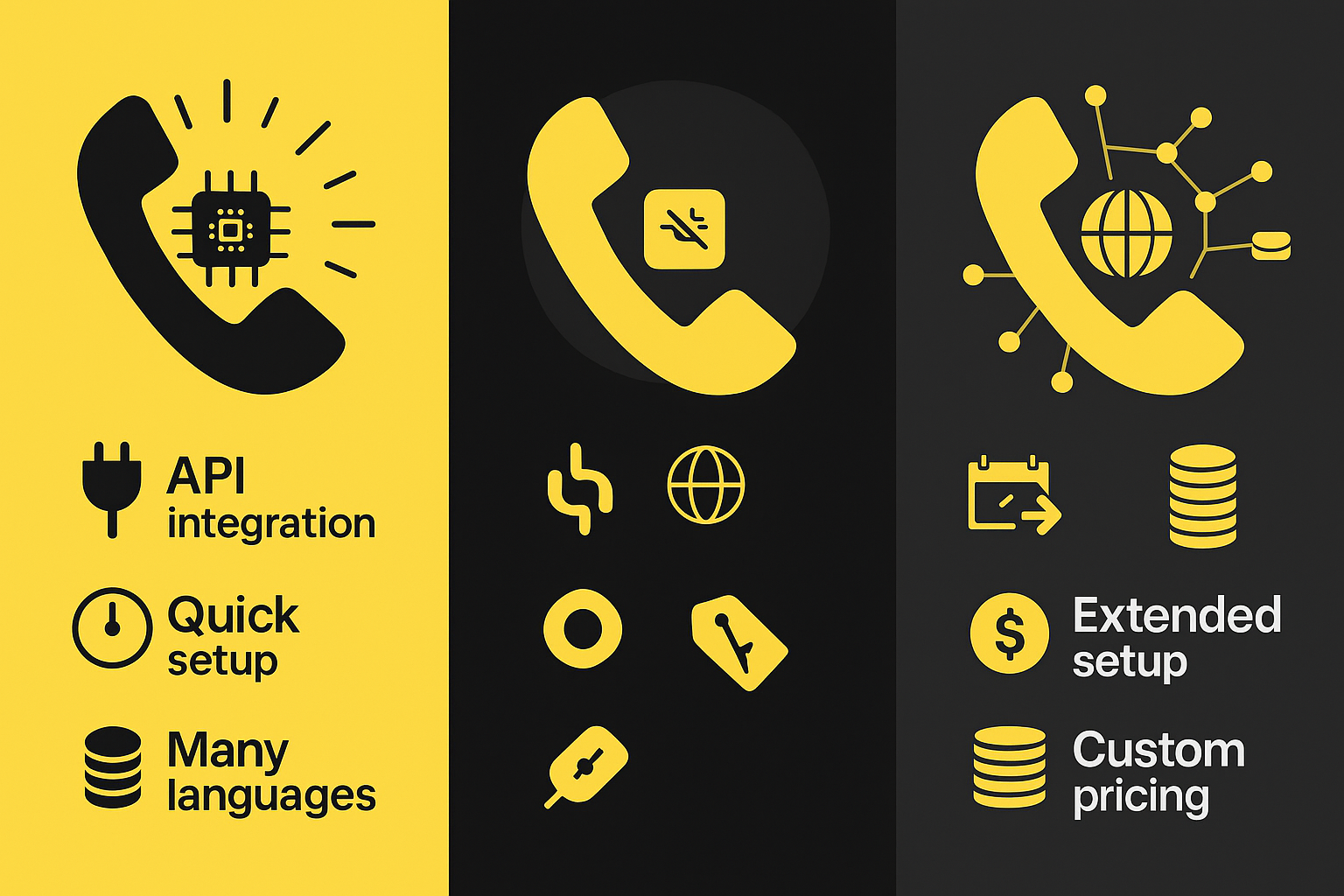
Before diving into the details, here's a side-by-side snapshot of what each platform offers:
| Feature | Hostie AI | Numa | PolyAI |
|---|---|---|---|
| Entry Pricing | $399/month per location | $149/month | Custom enterprise pricing |
| OpenTable Integration | Native API integration | Not available | Available (via partnership) |
| Languages Supported | 20 languages | Limited | 14 languages |
| Setup Time | Under 60 minutes | Under 10 minutes | 6+ weeks typical |
| Call Automation Rate | 80%+ | Varies by use case | 70% fully automated |
| Best For | Independent to multi-unit restaurants | Small businesses, SMS-first operations | Large enterprise chains |
This comparison sets the stage, but let's look at what each platform actually delivers.
Hostie AI was built with one goal in mind: make every guest feel like they're talking to a real host. That hospitality-first approach shows up in the details.
The platform connects to OpenTable through API integration to access real-time table availability and automatically create reservations. The complete integration process can be finished in under 60 minutes—no IT team required.
Hostie's August 2025 rollouts showed an average 22-second call-to-confirmed booking time. For context, that's faster than most guests can recite their phone number.
The results speak for themselves. One partner saw a 13% lift in reservations within the first month; another nearly tripled over-the-phone bookings.
With multilingual support in 20 languages, Hostie handles diverse guest bases without skipping a beat. Restaurants can also tailor interactions to their brand voice—from custom greetings to unique workflows for private dining events.
Key takeaway: For operators who need a reservation-focused AI that plugs directly into OpenTable or Square, Hostie delivers the fastest path from phone call to confirmed booking.
Numa positions itself as a superpowered phone system for main street businesses. It excels at catching missed calls, enabling team texting, and using AI to respond to common questions. Setup takes under 10 minutes, which is genuinely impressive.
However, there's a significant gap for restaurants that depend on reservation platforms. Numa lacks native integration with OpenTable's reservation APIs, meaning calls about booking a table can't flow directly into your reservation book. Instead, staff must manually transfer information—or risk losing the booking entirely.
This matters more than you might think. Main street businesses miss over 50 percent of their calls from customers every day. When a caller wants to book a table and the AI can't complete that transaction, you're back to square one.
Numa shines for SMS-heavy operations and businesses that prioritize text communication over voice reservations. Dos Salsas, a 3-location restaurant in Texas, used AI phone answering to field 41,000 calls with custom responses and saved 308 hours for staff. But that success story focuses on FAQ handling rather than live reservation booking.
For restaurants where reservations drive the business, the lack of real-time booking integration creates a blind spot that can cost covers.
PolyAI brings serious technology to the table. Their proprietary Spoken Language Understanding (SLU) stack works to fix speech recognition errors caused by accents or background noise in real time—a genuine technical achievement.
The platform delivers impressive results at scale. Big Table Group, which operates over 230 restaurants across the UK and Ireland, was missing 60% of calls before PolyAI. Now they're booking 3,800+ reservations worth £140,000+ in revenue each month.
The Melting Pot, a fondue franchise with 90+ locations, generated $250k from after-hours bookings and automated 68% of reservation calls.
However, PolyAI's enterprise focus comes with trade-offs. Devon Trew, Head of IT Projects & Operations at Big Table Group, noted: "The initial build and deployment of the voice assistant was seamless—all we needed to do was provide the information and a few API keys. The rollout to other locations and brands has been really easy too, it's like a well-oiled machine now." (PolyAI)
That seamless experience comes after a longer initial setup period. PolyAI typically deploys a voice assistant that handles 50% or more of customer calls in as little as 6 weeks—not 60 minutes. For enterprise chains with dedicated IT resources and complex requirements, that timeline makes sense. For a single-location restaurant that needs help tomorrow, it's a different story.
PolyAI supports 14 languages and offers deep customization, but requires more hands-on configuration than plug-and-play alternatives.
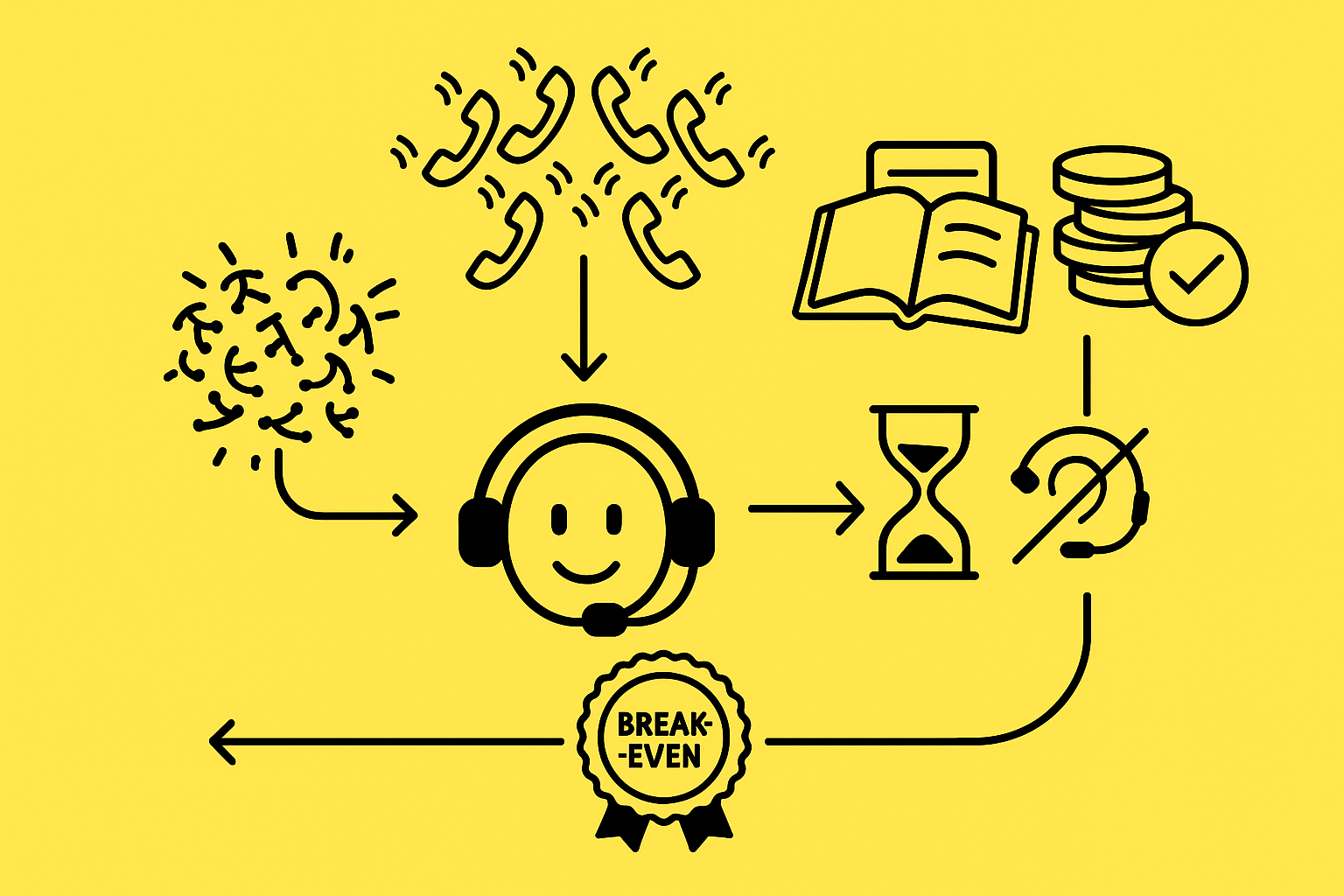
When evaluating AI phone systems, the question isn't just "what does it cost?" but "how quickly does it pay for itself?"
Here's what the data shows:
Labor savings breakdown:
The math favors AI adoption for most high-volume restaurants. At $399/month, Hostie costs roughly the same as 25 hours of minimum wage labor—while answering calls around the clock.
For a deeper comparison of AI platforms and their hospitality fit, see our Hostie vs Slang comparison.
Not every restaurant needs the same solution. Use this checklist to match your operation with the right platform:
Choose Hostie AI if you:
Choose Numa if you:
Choose PolyAI if you:
As one industry observer noted, "Do guests prefer to interact with a human? Of course, but if one isn't available, they still want answers to their questions. They still want to place orders and make reservations. AI makes sure restaurants don't lose revenue opportunities." (Popmenu)
PolyAI integrates with your existing tech stack, but that integration takes time to configure properly. Hostie's approach—native connections to the tools restaurants already use—gets you answering calls faster.
💡 Ready to see Hostie in action?
The restaurant phone problem isn't going away. Call volumes remain high, labor remains expensive, and guests remain impatient. AI phone systems have matured from experimental technology to proven operational tools.
Matt Ho, owner of Bodega SF, captured the reality facing most operators: "The phones would ring constantly throughout service. We would receive calls for basic questions that can be found on our website." (Hostie)
For independent restaurants and growing multi-unit concepts, Hostie AI offers the clearest path forward: native OpenTable integration, setup in under an hour, and proven results in reservation conversion. Numa serves SMS-focused small businesses well but leaves reservation-dependent restaurants without critical functionality. PolyAI delivers enterprise power for large chains willing to invest in a longer implementation.
The choice depends on your concept, your call volume, and how quickly you need relief. But in 2025, the question is no longer whether to adopt AI phone technology—it's which platform fits your restaurant best.
For more on how AI is changing restaurant operations, explore our guide on what happens when you call a restaurant in the age of voice AI.
Hostie offers native OpenTable integration and quick setup, ideal for reservation-focused restaurants. Numa excels in SMS communication but lacks reservation integration. PolyAI provides enterprise-grade solutions with complex setup, suitable for large chains.
Hostie AI connects to OpenTable through API integration, allowing real-time table availability and automatic reservation creation. The setup is quick, taking under 60 minutes without requiring an IT team.
AI phone systems help manage high call volumes and labor shortages by reducing hold times and missed calls, thus improving customer service and increasing revenue opportunities.
Hostie AI costs $399/month per location, comparable to 25 hours of minimum wage labor, while providing 24/7 call handling and reducing the need for additional staff.
AI phone systems typically achieve ROI within 3-6 months for restaurants receiving over 200 calls per month, thanks to increased efficiency and reduced labor costs.
RELATED