When your AI phone answering system fails, immediate action prevents revenue loss. Switch to call forwarding within two minutes, activate SMS auto-replies for missed calls, and post social updates if downtime exceeds 30 minutes. Most outages resolve within 10 hours according to LLM provider data, but restaurants can lose $27,000 annually from missed calls during normal operations, making quick workarounds essential.
• Immediate triage steps: Confirm the outage, check provider status pages, and activate call forwarding to a mobile device or shared restaurant phone within 2 minutes
• Revenue impact: Restaurants miss 150 calls monthly on average, with 60% tied to orders—concentrated outages during peak hours compound losses significantly
• Guest behavior: 69% of diners abandon restaurants that don't answer phones, while 83% order elsewhere after reaching voicemail more than once
• Backup channels: Enable SMS auto-replies, promote online booking via QR codes and social media, and encourage walk-ins during system downtime
• System reliability: Most AI phone system failures stem from upstream LLM providers or network issues rather than restaurant configurations
• Recovery timeline: Over 90% of LLM-related incidents resolve within 10 hours, though configuration errors may take longer to diagnose and fix
A burst pipe, a dead oven pilot, and now your AI phone answering system goes mute. When your digital host suddenly stops picking up, every ring that goes to voicemail is a guest you might never see again. The good news? Quick, guest-friendly workarounds exist while your tech team restores service. This guide walks you through exactly what to do when the silence hits.
When your AI voice assistant goes down, the clock starts ticking immediately. Restaurants miss an average of 150 calls per month, with 60% tied to orders or reservations. That can add up to more than $27,000 in lost revenue a year under normal circumstances.
Now imagine those missed calls concentrated into a single outage window during your Friday dinner rush.
The stakes are even higher when you consider guest behavior. 63% prefer calling restaurants directly. And more than two-thirds (69%) say they would give up on going to a restaurant if no one answers the phone.
AI answering services typically reduce missed lunch-rush calls by 87%. When that safety net disappears, you need a backup plan ready to go.
For a deeper dive into how these systems work, check out our complete guide to AI phone answering systems for restaurants.
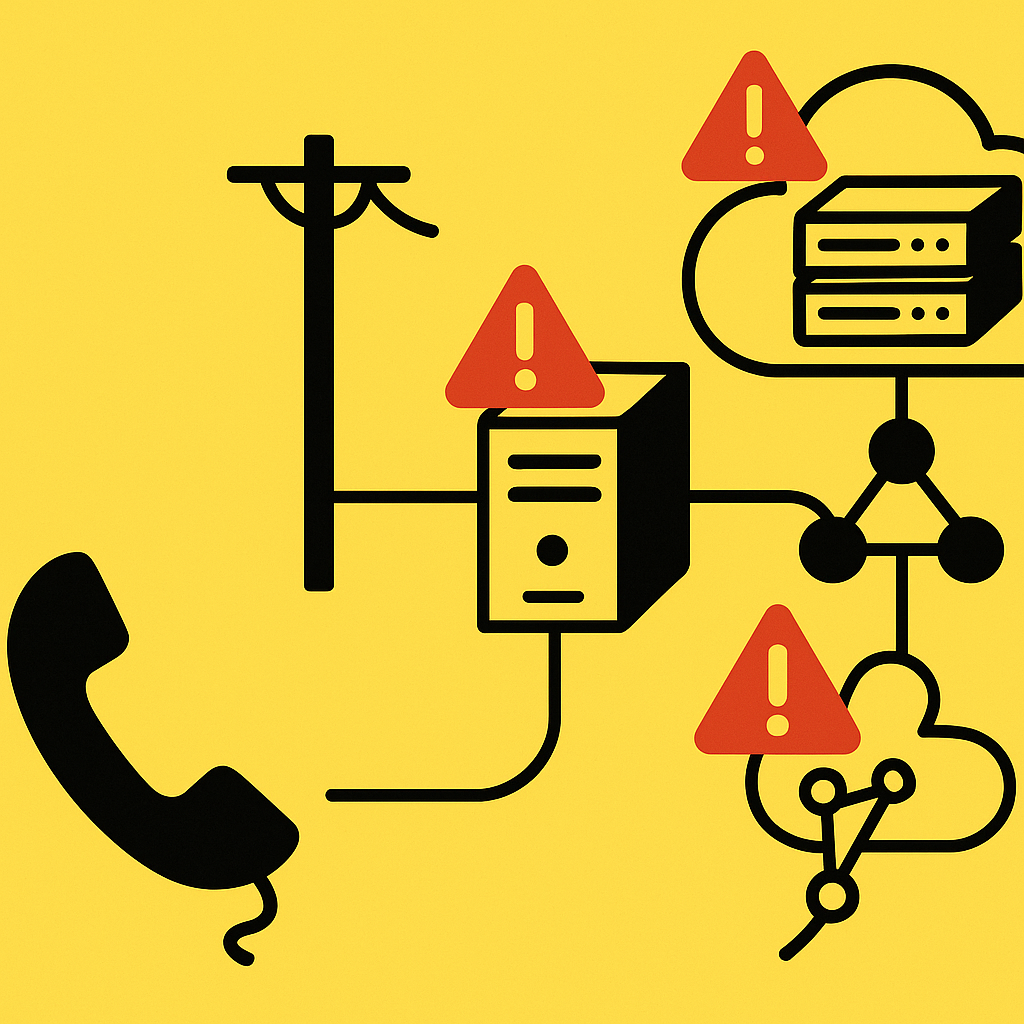
Understanding what went wrong helps you estimate how long you will be offline and choose the right workaround.
Most AI phone systems rely on large language model services like OpenAI or Anthropic. Research shows that failures in ChatGPT take longer to resolve but occur less frequently than those in Claude. The good news: over 90% of LLM incidents resolve in under 10 hours.
Sometimes the problem is closer to home. On December 11, 2024, all OpenAI services experienced significant degradation for over four hours due to a Kubernetes control plane issue. Even the biggest providers have bad days.
A new software deployment or misconfigured setting can quietly break things. OpenAI reported 98.94% uptime for their API over recent months, which sounds great until you realize that remaining 1% can hit during your busiest service.
Key takeaway: Most outages stem from upstream LLM providers or network issues, not your restaurant's setup. Check your provider's status page first before troubleshooting locally.
The moment you realize calls are not getting through, here is your action checklist:
Remember, only 10% of AI-handled calls normally need a human transfer. A single staffer can triage most incoming calls during a temporary outage.
For more on how voice bots handle the hospitality balance, see our piece on hospitable voice bots.
The fastest fix is old-school call forwarding. Most phone systems let you redirect your main line to a mobile number in under two minutes.
"At $17 per hour, you can hardly pay for your gas to get to the job. Humans typically don't stay long in these positions." (Hostie Blog)
This quote highlights why dedicated phone staff rarely exist anymore, but during an outage, your host or manager can handle the temporary bump in calls. Keep a shared restaurant cell phone charged and ready for exactly this scenario.
If you cannot answer every call live, set up an automatic SMS response that promises a callback within 15 minutes.
"The system offers to text the caller a link for more information, and we get notified about it. The AI will ask if the caller wants to be put in touch with someone who can resolve the issue, and we say that we'll make sure to reach out in 24 hours." (Amanda Flores, Director of Operations, Flour + Water, Hostie Blog)
This approach captures guest intent even when you cannot pick up. Most callers appreciate knowing their message was received.
Once you have weathered the immediate crisis, it is time to build a more durable backup architecture.
| Layer | Primary Function | Failover Trigger |
|---|---|---|
| AI Voice Assistant | Handle 90% of routine calls | Automatic |
| SMS Auto-Reply | Capture intent when voice fails | Manual activation |
| Live Host Forwarding | Complex issues, VIP guests | On-demand |
| Web/App Booking | 24/7 self-service reservations | Always available |
The results from restaurants using hybrid models are striking. AI systems deliver a 91% drop in hold time and an 87% reduction in missed calls when operating normally.
Hostie's AI assistant Jasmine offers multilingual support in 20 languages, which means your backup plan should account for diverse guest needs too.
For the full breakdown of system architecture, visit our AI phone answering system guide.
When your phone system is down, guests still want to book. Make sure they have other paths to reach you.
Hostie now fields the most common types of calls restaurants receive: reservations, private dining, and general questions. But your website and reservation platform should always be available as a fallback.
An AI agent handles 80%+ of repetitive calls, but when it is offline, a well-placed QR code on your door or social media bio can direct guests to your online booking page.
Flour + Water saw a 13% increase in walk-ins after implementing their AI system, partly because the AI encouraged guests to stop by in person. During an outage, this becomes your primary message: "Can't get through? Come see us!"
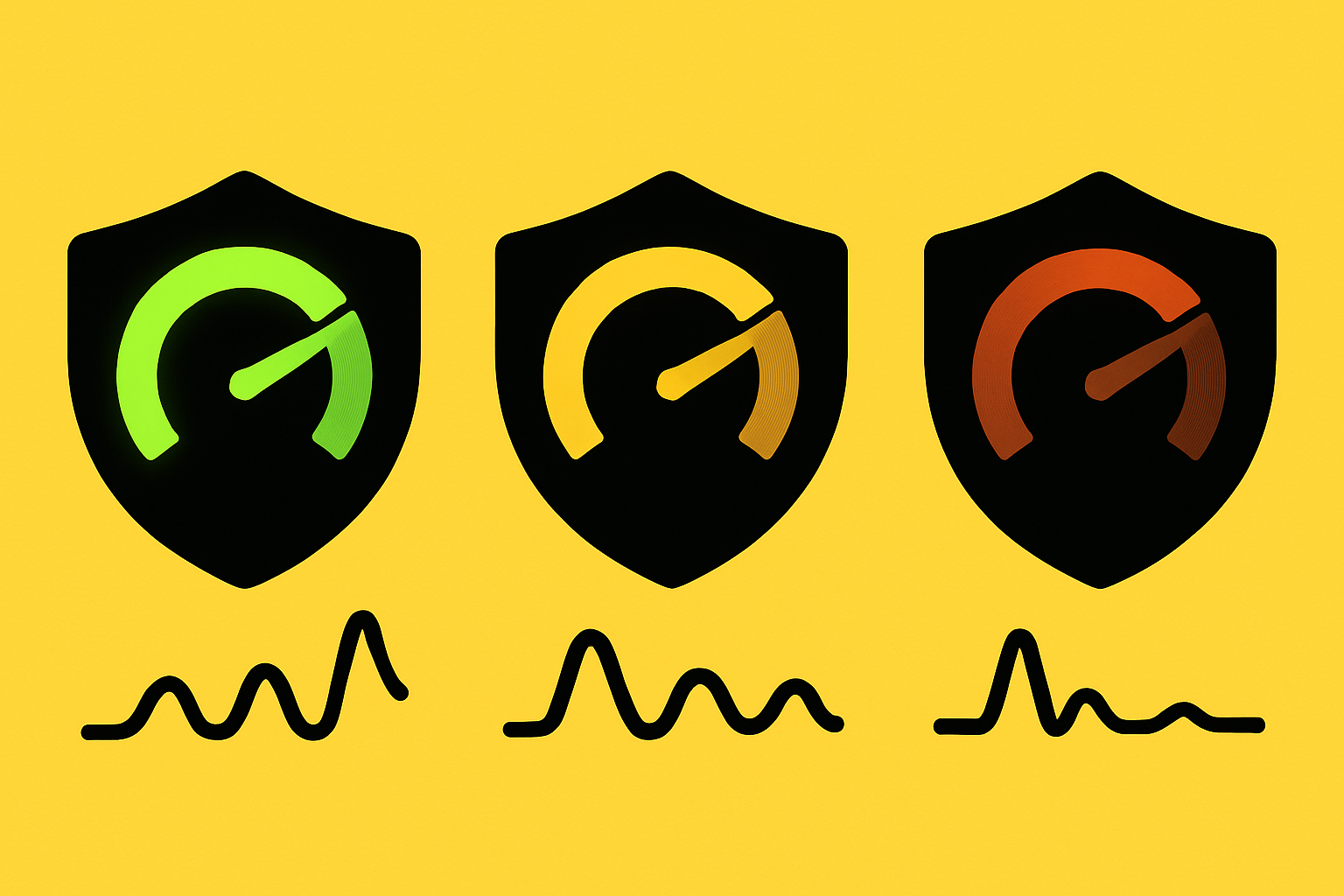
Not all AI phone systems are built equally when it comes to reliability.
| Feature | Hostie AI | Slang.ai | Maple Voice |
|---|---|---|---|
| Language Support | 20+ languages | Limited | English only |
| Real-time Monitoring | Yes | Limited | Limited |
| Reservation Integration | OpenTable, Resy, Yelp | Template-based | POS-focused |
| Target Segment | Upscale dining | General restaurants | High-volume QSR |
Maple Voice is designed for high-volume restaurants where phone orders drive revenue, but its English-only support limits applicability in diverse markets.
Research shows that OpenAI services offer better failure-isolation than some competitors, which matters when choosing a provider that relies on these underlying models.
For the complete comparison, see our Hostie vs Slang.ai vs Maple Voice breakdown.
Hostie gives operators full visibility into every conversation in real time, a critical feature for upscale restaurants where guest satisfaction depends on attention to detail.
This real-time monitoring means you will know the moment something goes wrong, not an hour later when angry guests start walking in.
Let's put some numbers to the problem.
The staffing scramble adds hidden costs too. When your AI goes down, someone has to drop what they are doing to answer phones. That means worse service for guests already in the dining room.
Key takeaway: A one-hour outage during peak service can cost hundreds of dollars in lost reservations and create ripple effects on guest satisfaction that last much longer.
Technology fails sometimes. What matters is how quickly you recover and how gracefully you handle the gap.
"As a restaurant owner myself, I know how difficult it can be to balance being on the floor during peak service hours while managing inbound calls, texts and emails from potential guests." (Randall Hom, Co-founder and CEO, Hostie, Hostie Blog)
The best defense is preparation:
89% of Americans would be open to using an AI agent for restaurant interactions. They just expect it to work. With the right preparation, you can deliver that reliability even on the rare days when things go sideways.
For more on how missed calls affect guest loyalty, read our research on why two-thirds of Americans would ditch restaurants that don't answer.
💡 Ready to see Hostie in action?
Don't miss another reservation or guest call.
👉 Book a demo with Hostie today
First, confirm the outage by calling your restaurant line from a personal phone. Then, check your AI provider's status page for any reported incidents and notify your team to expect more in-person questions.
You can forward calls to a live host or a shared cell phone. Additionally, setting up text-back auto-replies can help capture guest intent and promise a callback within a specified time.
Common causes include downtime from large language model providers, network and infrastructure issues, and configuration errors. Most outages stem from upstream providers rather than local setup issues.
Prepare by keeping backup call forwarding instructions accessible, testing your failover plan quarterly, and choosing a provider with built-in redundancy and real-time monitoring.
A backup plan is crucial because missed calls can lead to significant revenue loss and affect guest satisfaction. Having a plan ensures you can quickly recover and maintain service quality.
RELATED