
Every missed call after hours is money walking out the door. While your restaurant sleeps, potential guests are calling competitors who answer their phones. The harsh reality? High-volume restaurants receive between 800 and 1,000 calls per month, and many of these happen outside traditional business hours (2025 Buyer's Guide: Best AI Restaurant Software for Automating Phone Reservations).
The solution isn't hiring expensive night staff or paying overtime rates. Modern AI phone systems are becoming the new standard for handling calls in the restaurant industry, particularly in major cities like New York City, Miami, Atlanta, and San Francisco (2025 Buyer's Guide: Best AI Phone Answering Systems with Native Toast POS Integration for Independent Restaurants). These systems handle calls 24/7, manage reservations, and free up staff to focus on customer service during peak hours.
This guide will show you exactly how to route overflow and late-night calls to AI, set up smart escalation rules, and capture payment details securely—all while keeping your labor costs predictable.
Most restaurant owners underestimate their after-hours call volume. Independent restaurants with under 100 seats receive between 800 and 1,000 calls per month, making AI systems a cost-effective solution compared to human hosts who cost $17 per hour (2025 Buyer's Guide: Best AI Phone Answering Systems with Native Toast POS Integration for Independent Restaurants).
Consider this breakdown of when guests actually call:
The data shows that 63% of guests say calling is still their preferred method of contacting a restaurant (Hostie AI FAQ). When you're closed, those calls go to voicemail—or worse, to your competitors.
Every unanswered call represents lost revenue. Modern AI solutions are generating an additional revenue of $3,000 to $18,000 per month per location, up to 25 times the cost of the AI host itself (Q3 2025 Restaurant Tech Trends: 5 AI-Powered Customer-Experience Tools Operators Can Deploy Now).
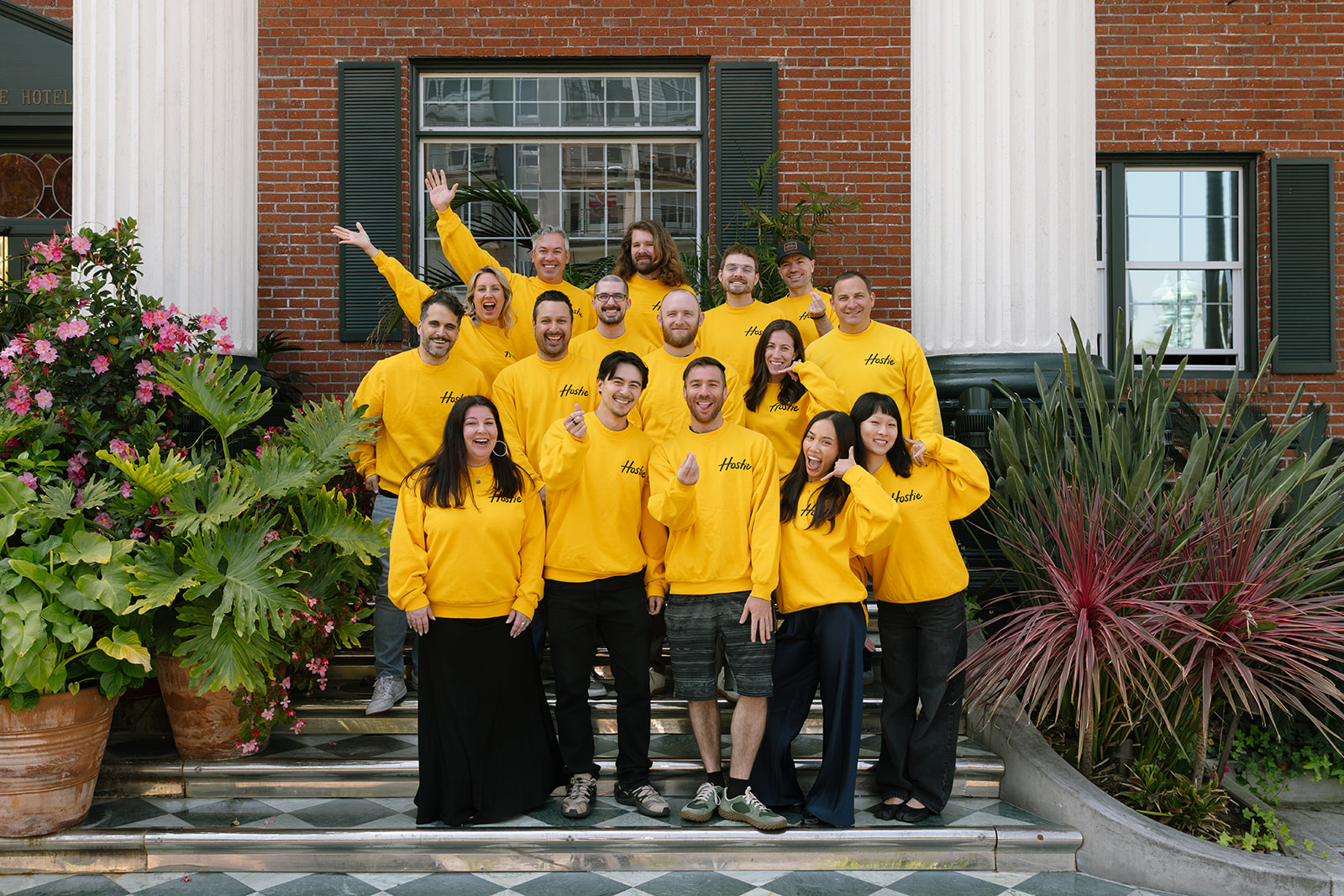
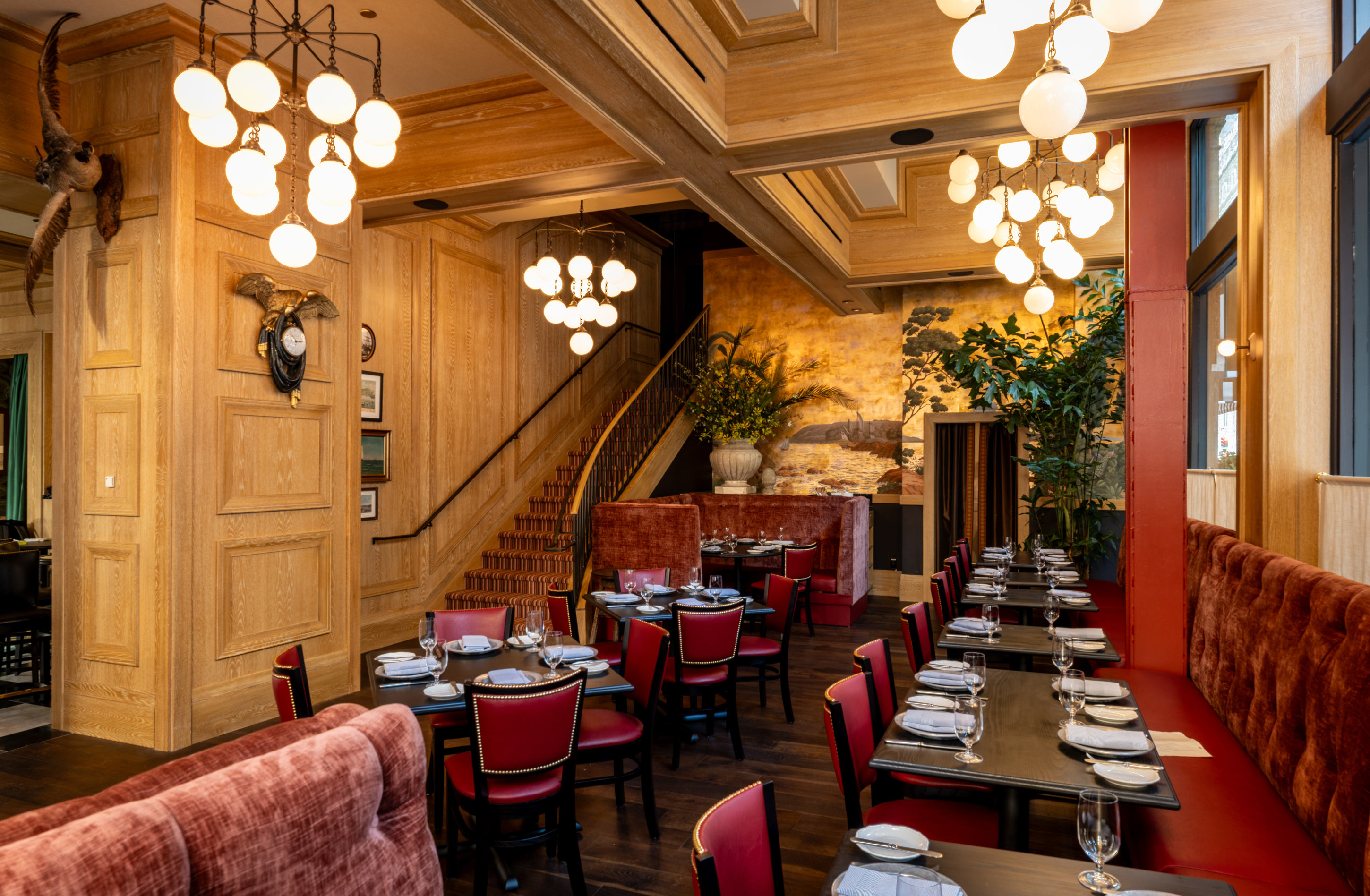
When Flour + Water partnered with Hostie in mid-2024, they saw immediate results. Hostie now fields the most common types of calls Flour + Water receives, and the restaurant used Hostie to increase walk-ins by 13% within 1 month (How Flour + Water Used Hostie to Increase Walk-ins Within 1 Month). They also saw an added increase in reservations by 20% as well.
While we can't share specific details about Red Lobster's implementation, the restaurant industry has seen remarkable success with AI phone systems at scale. The global food automation market is projected to reach $14 billion by the end of 2024, with a potential 69% increase in AI and robotics use in fast food restaurants by 2027 (Q3 2025 Restaurant Tech Trends: 5 AI-Powered Customer-Experience Tools Operators Can Deploy Now).
Large chains are proving that AI can handle massive call volumes autonomously. The key is proper configuration and smart escalation rules that ensure complex issues still reach human staff when needed.
If enterprise-level chains can successfully deploy AI phone systems nationwide, independent restaurants have even more to gain. You don't need the complexity of a multi-location rollout—just smart configuration that matches your specific needs and guest expectations.
AI can direct customers to a human representative, but this only happens 10% of the time, according to industry data (AI Phone Hosts Become Increasing Part of Dining Experience). This means 90% of your after-hours calls can be handled completely autonomously.
Your AI phone system should handle calls in this priority order:
Set up your system to escalate calls when:
When no staff is available, your AI should:
Hostie sends a follow-up text and logs the issue for the team, so nothing falls through the cracks (When You Call a Restaurant). This ensures every guest feels heard, even when you're closed.
When handling payment information over the phone, security is paramount. Your AI system must be PCI compliant and use encrypted channels for all payment data. Never store complete credit card numbers in plain text, and ensure all payment processing happens through certified gateways.
Option 1: Secure Payment Links
Option 2: Tokenized Phone Payments
Option 3: Account-Based Ordering
Your AI phone system should integrate seamlessly with your current POS and reservation platforms. Hostie integrates directly with the tools you're already using – existing reservation systems, POS systems, and even event planning software (Introducing Hostie).
For restaurants using popular platforms, integration guides are available. For example, Hostie AI allows for streamlined integration with OpenTable reservations and Square POS system in under an hour (Step-by-Step Integration: Connecting Hostie AI with OpenTable Reservations and Square POS in Under 60 Minutes).
// Basic Twilio webhook for call routing
const twilio = require('twilio');
const VoiceResponse = twilio.twiml.VoiceResponse;

app.post('/voice', (req, res) => {
  const twiml = new VoiceResponse();
  const currentHour = new Date().getHours();

  // Business hours: 11 AM to 10 PM
  if (currentHour >= 11 && currentHour < 22) {
    // Forward to restaurant during business hours
    twiml.dial('+1234567890'); // Your restaurant number
  } else {
    // Forward to AI system after hours
    twiml.dial('+1987654321'); // Your AI system number
  }

  res.type('text/xml');
  res.send(twiml.toString());
});
// Advanced routing with busy signal detection
app.post('/voice-advanced', (req, res) => {
  const twiml = new VoiceResponse();

  // Try restaurant first with timeout
  const dial = twiml.dial({
    timeout: 20,
    action: '/handle-no-answer'
  });
  dial.number('+1234567890');

  res.type('text/xml');
  res.send(twiml.toString());
});

// Handle no answer or busy
app.post('/handle-no-answer', (req, res) => {
  const twiml = new VoiceResponse();

  // Forward to AI system
  twiml.dial('+1987654321');

  res.type('text/xml');
  res.send(twiml.toString());
});
// Dynamic routing based on day and time
function getRoutingDestination() {
  const now = new Date();
  const day = now.getDay(); // 0 = Sunday, 6 = Saturday
  const hour = now.getHours();

  // Closed on Mondays
  if (day === 1) {
    return 'ai-system';
  }

  // Weekend hours: 10 AM to 11 PM
  if (day === 0 || day === 6) {
    return (hour >= 10 && hour < 23) ? 'restaurant' : 'ai-system';
  }

  // Weekday hours: 11 AM to 10 PM
  return (hour >= 11 && hour < 22) ? 'restaurant' : 'ai-system';
}
// Check if restaurant line is busy before routing
app.post('/smart-routing', (req, res) => {
  const twiml = new VoiceResponse();
  const destination = getRoutingDestination();

  if (destination === 'restaurant') {
    // Try restaurant with fallback to AI
    const dial = twiml.dial({
      timeout: 15,
      action: '/fallback-to-ai'
    });
    dial.number('+1234567890');
  } else {
    // Direct to AI system
    twiml.dial('+1987654321');
  }

  res.type('text/xml');
  res.send(twiml.toString());
});
Before going live:
| Scenario | Hours/Week | Hourly Rate | Weekly Cost | Monthly Cost | Annual Cost |
|---|---|---|---|---|---|
| Part-time evening host | 20 | $17 | $340 | $1,360 | $16,320 |
| Full-time with overtime | 50 | $17 + $8.50 OT | $1,105 | $4,420 | $53,040 |
| Weekend night coverage | 16 | $20 | $320 | $1,280 | $15,360 |
| Holiday coverage | 8 | $25 | $200 | $800 | $9,600 |
| Service Level | Monthly Cost | Annual Cost | Calls Included | Overage Rate |
|---|---|---|---|---|
| Basic AI Coverage | $199 | $2,388 | 1,000 | $0.15/call |
| Premium Features | $299 | $3,588 | 2,000 | $0.12/call |
| Enterprise Integration | $499 | $5,988 | 5,000 | $0.10/call |
Annual Savings with AI:
Additional Revenue Benefits:
The math is clear: even the premium AI service costs less than a single part-time evening host, while providing 24/7 coverage and generating additional revenue through captured calls.
Your call routing should adapt to seasonal changes:
If you operate multiple locations:
Track these key metrics:
Hostie has answered over 300 hours of phone calls in the past year, with 70% of calls mentioning the word 'reservation' (When You Call a Restaurant). This data helps optimize your system for the most common guest needs.
Your AI phone system should connect seamlessly with your existing POS. Restaurant IT managers are increasingly looking to streamline operations while maintaining exceptional guest experiences through the integration of AI-powered voice systems, reservation platforms, and point-of-sale systems (2025 Step-by-Step Integration Guide: Connecting Hostie AI with OpenTable & Toast POS for Zero-Touch Reservations).
Zero-touch reservations allow calls to flow directly from the AI system to the restaurant's POS and kitchen display systems without any human intervention (Zero-Touch Reservations: Connecting Hostie AI, OpenTable, and Toast for Seamless Guest Experience).
Ensure your AI system syncs with:
Even with AI handling most calls, your staff needs training on:
Operational Metrics:
Revenue Metrics:
Guest Experience Metrics:
AI systems improve over time with proper monitoring:
Artificial intelligence (AI) is being used to deliver convenience, speed, and quality, with personalized recommendations and automated responses (Online Ordering: Using AI to Increase Guest Engagement). The key is continuous refinement based on real guest interactions.
Challenge: Complex POS integration
Solution: Work with vendors who offer pre-built integrations and dedicated support
Challenge: Call quality and reliability
Solution: Use redundant phone lines and test regularly during peak hours
Challenge: Staff resistance to change
Solution: Emphasize how AI reduces their workload during busy periods
Challenge: Guests preferring human interaction
Solution: Ensure easy escalation to staff and maintain warm, conversational AI tone
Challenge: Complex requests AI can't handle
Solution: Set clear escalation triggers and train staff on handoff procedures
Challenge: Payment security concerns
Solution: Use certified, PCI-compliant payment processing and educate guests on security measures
57% of hospitality owners worldwide have adopted automation as a critical survival strategy, and 58% of people aged 18-38 are more likely to return to restaurants that use automation (Step-by-Step Integration: Connecting Hostie AI with OpenTable Reservations and Square POS in Under 60 Minutes). The trend is clear: guests expect and appreciate well-implemented automation.
Stay ahead of the curve by considering:
As your restaurant grows:
Hostie is an AI-powered phone concierge designed for restaurants that listens, understands, and responds just like a seasoned host—24/7 (Introducing Hostie). This level of sophistication will only improve as AI technology advances.
After-hours calls don't have to be silent revenue killers anymore. With proper AI phone system configuration, you can capture every opportunity while keeping labor costs predictable. The technology has proven itself at scale—from enterprise chains to independent restaurants—and the ROI is undeniable.
The key is starting with a system designed specifically for restaurants, like Hostie, which offers an automated guest management system that learns and engages with nuance (Introducing Hostie). When configured properly with smart routing, secure payment processing, and appropriate escalation rules, AI can handle 90% of your after-hours calls autonomously.
Remember: every missed call is a missed opportunity. Every frustrated guest who can't reach you is a potential customer for your competitor. The question isn't whether you can afford to implement AI phone coverage—it's whether you can afford not to.
Start with the Twilio setup guide above, choose an AI system that integrates with your existing tools, and begin capturing those silent revenue opportunities today. Your bottom line—and your staff—will thank you.
💡 Ready to see Hostie in action?
Don't miss another reservation or guest call.
👉 Book a demo with Hostie today
High-volume restaurants receive between 800-1,000 calls per month, with many occurring outside business hours. Each missed call represents potential lost revenue from reservations, takeout orders, and future bookings. Modern AI solutions are generating an additional $3,000 to $18,000 per month per location, demonstrating the significant revenue impact of capturing these after-hours opportunities.
AI phone systems are significantly more cost-effective than human staff, who cost approximately $17 per hour. With AI handling 800-1,000 monthly calls automatically, restaurants can provide 24/7 coverage without the overhead of night shift wages, benefits, and training costs. The AI solution typically pays for itself within the first month through captured revenue.
Yes, modern AI phone systems offer native integrations with major platforms like Toast POS, OpenTable, and Square. These integrations enable zero-touch reservations where calls flow directly from the AI system to your POS and kitchen display systems without human intervention. Integration typically takes under 60 minutes to complete.
According to industry data, AI phone systems only need to transfer calls to human representatives about 10% of the time. The AI can handle most common inquiries including menu questions, reservations, hours of operation, and basic order taking. This means 90% of after-hours calls are resolved automatically without staff intervention.
Setting up AI phone coverage with Twilio requires configuring voice webhooks, setting up call routing logic, and integrating with your chosen AI platform. The process involves creating Twilio phone numbers, configuring TwiML applications, and establishing API connections to your restaurant management systems. Most implementations can be completed within a few hours with proper technical guidance.
Hostie AI has demonstrated proven results for restaurants like Flour + Water, helping them increase walk-ins within just one month of implementation. The system handles calls, texts, and emails automatically while managing reservations and takeout orders 24/7. This comprehensive coverage ensures no potential customer interaction is missed, directly contributing to increased foot traffic and revenue growth.
RELATED